Africa stays on the list for years, usually because nobody tells you where to start. Here is how to choose your first safari, why Great Plains Conservation is a strong place to begin, and what the journey looks like from Singapore.
Great Plains Conservations – Your Perfect African Safari
You have imagined an elephant crossing an open plain. You have watched lions move through tall grass on screen and wondered how it would feel to hear them at night. You may have saved a few camps, compared photographs and promised yourself that you would go one day.
The first step is the hard part.
Africa is vast, the seasons are unfamiliar and the camps are remote. Kenya or Botswana? Is a week enough? Will the journey feel adventurous or exhausting? And how do you tell a genuinely exceptional safari from one that photographs beautifully?
These are the questions our travel designers are here to answer.
Start with how you want Africa to feel. Exhilarating or unhurried, iconic or deeply remote, shared as a couple or with the whole family. Once that is clear, the destination, season and rhythm follow.
For travellers ready to make Africa more than a distant ambition, contact us start planning.
The First Morning Changes Everything
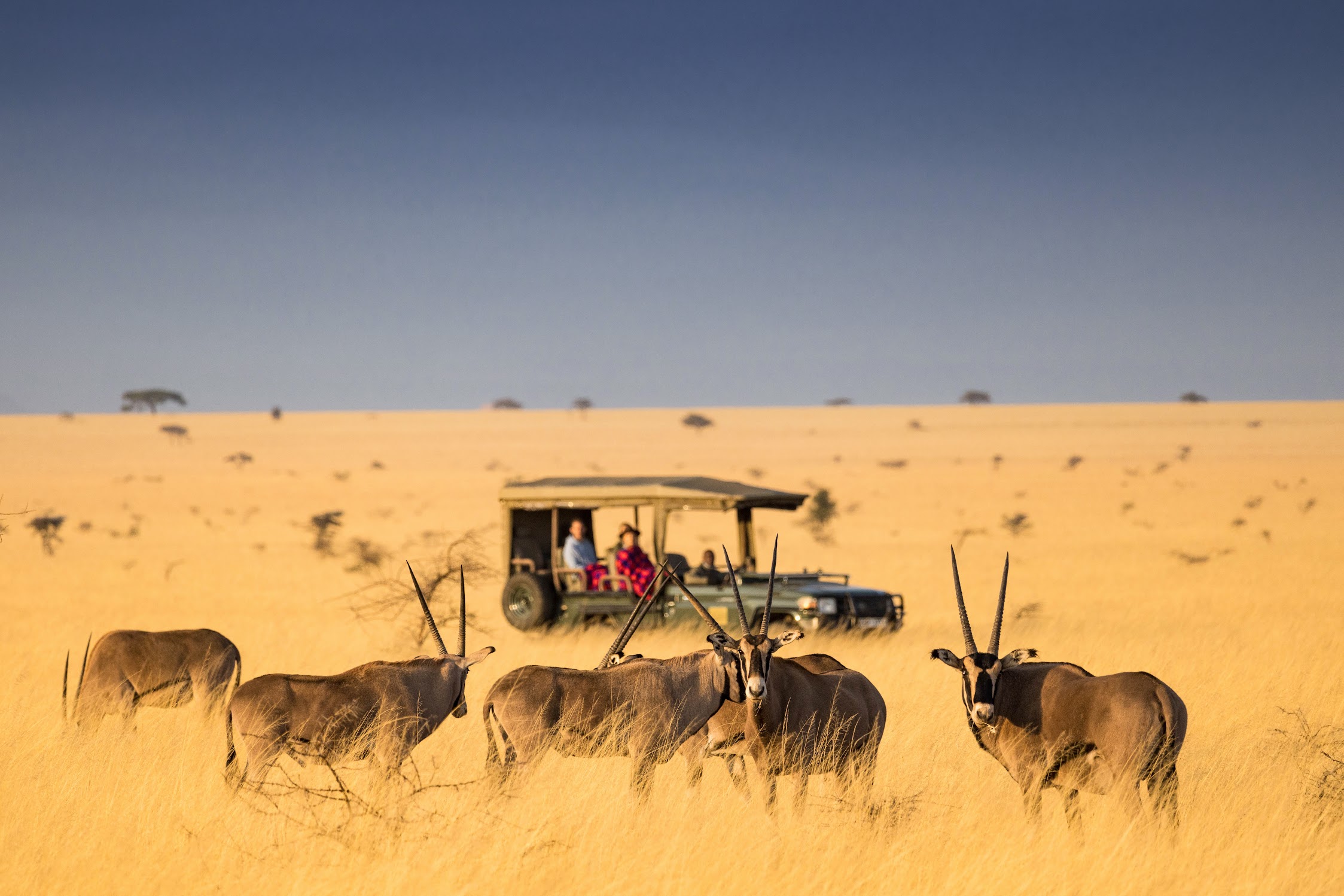
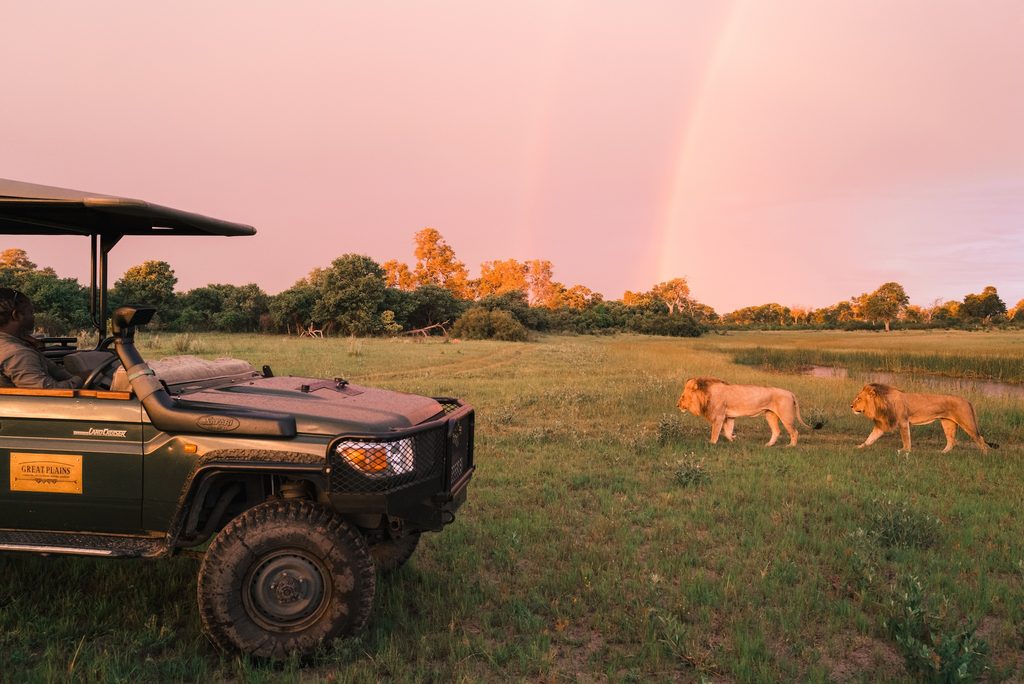
Before dawn, the camp is quiet. Someone brings coffee while the air is still cool. You set out as the horizon brightens. What looked like empty grassland comes alive. Impala emerge from the grass. Birds call from the trees. Fresh tracks tell your guide what passed through in the night.
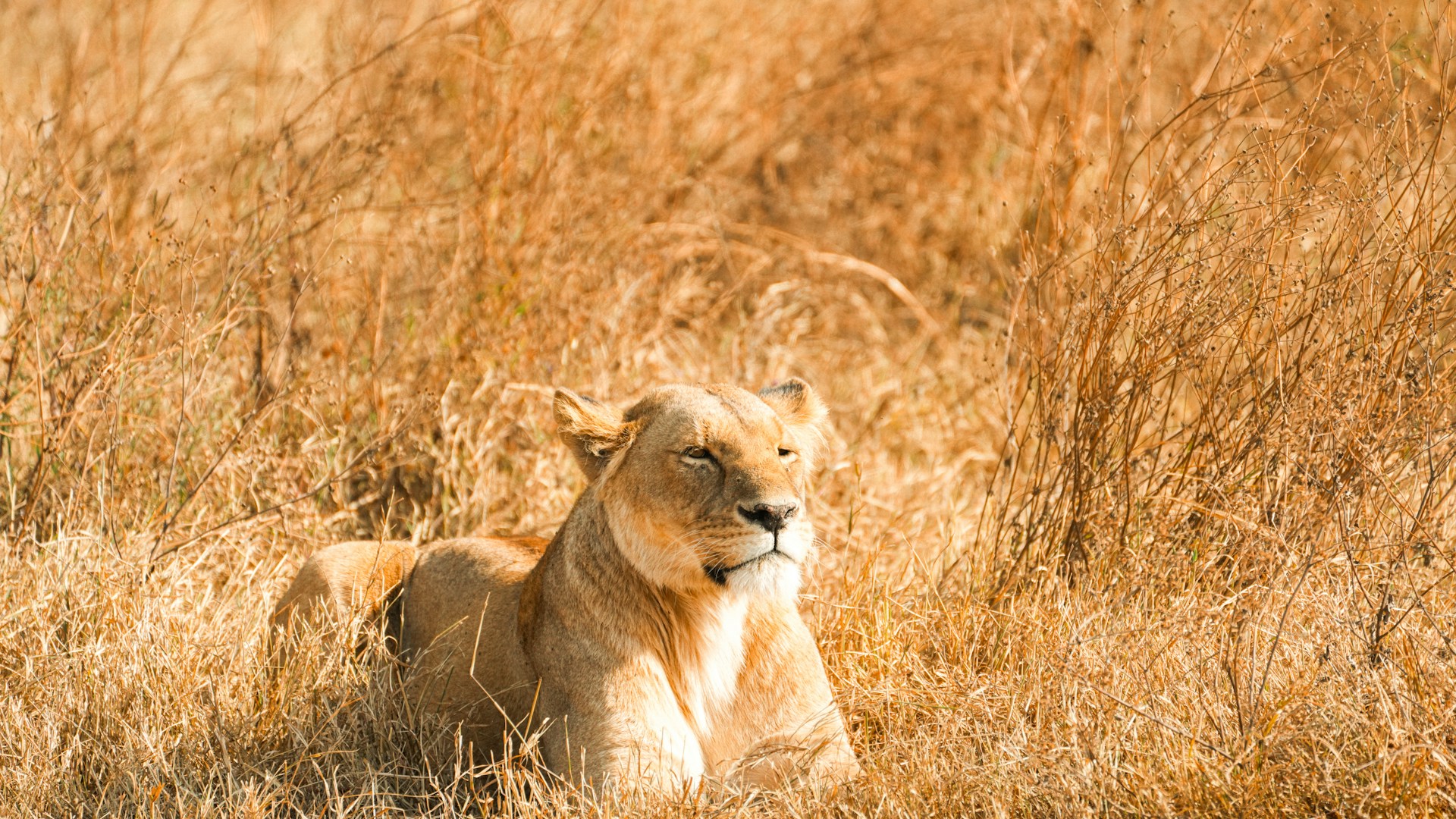
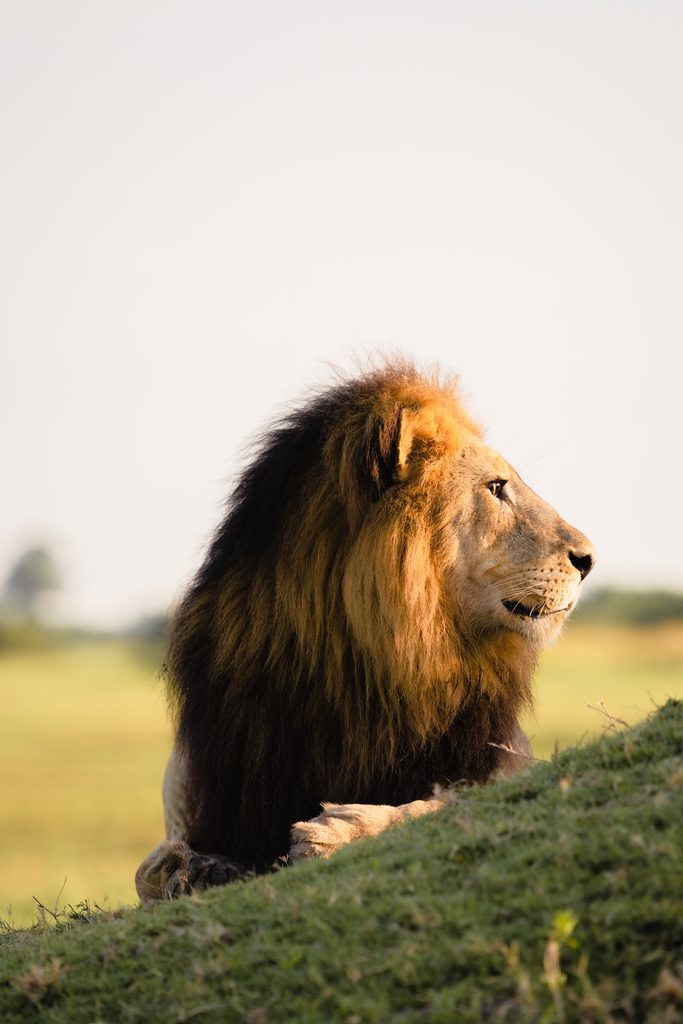
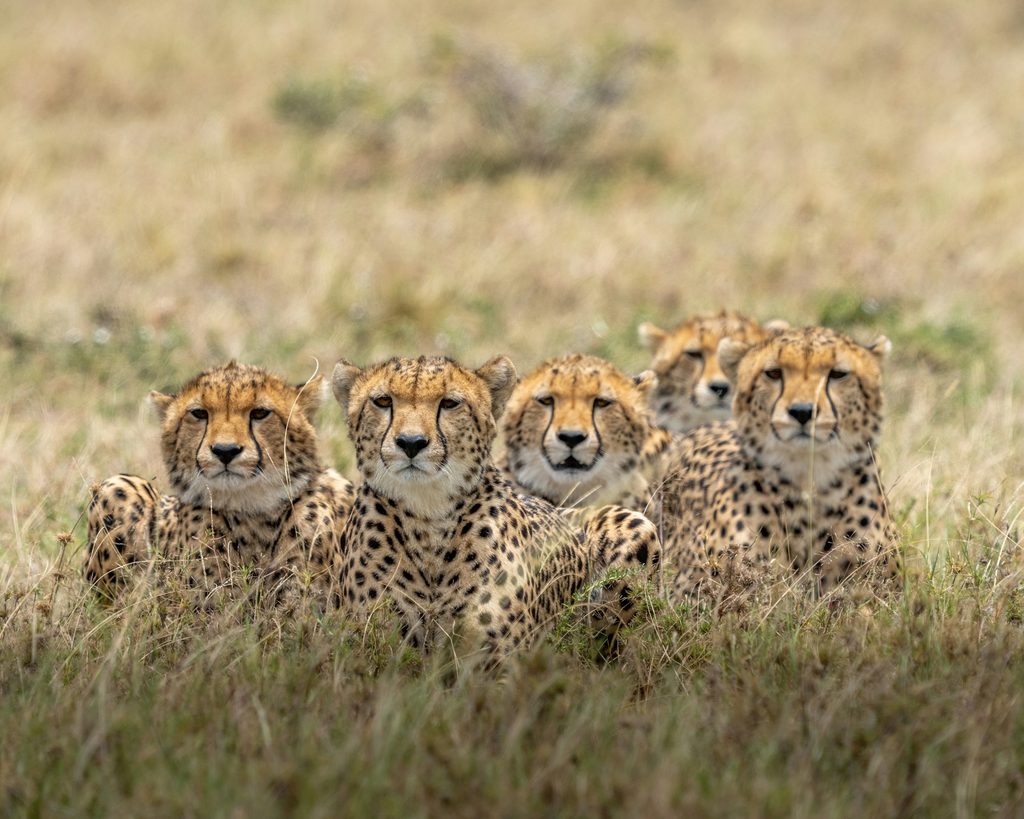
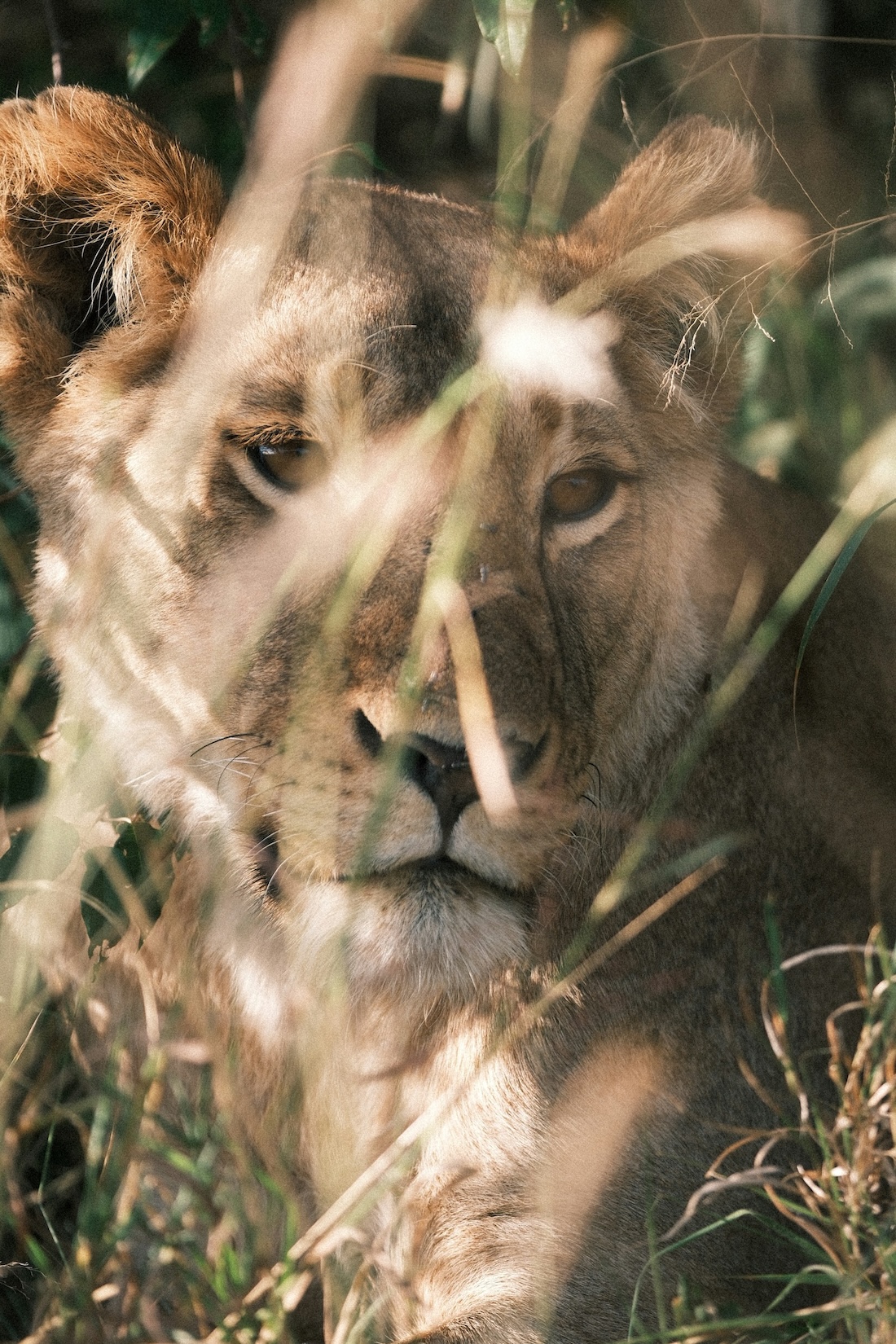
Then comes the moment no documentary prepares you for. A lioness walking beside the vehicle. An elephant appearing from the woodland without a sound. A leopard resting in the branches above you. There is no screen between you and the scene.
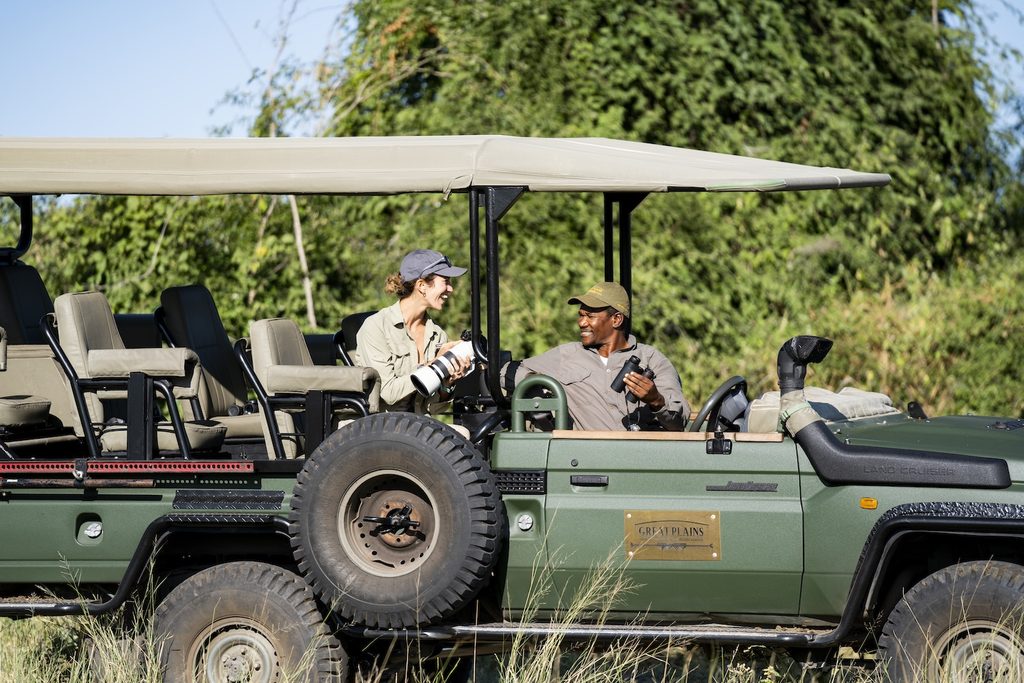
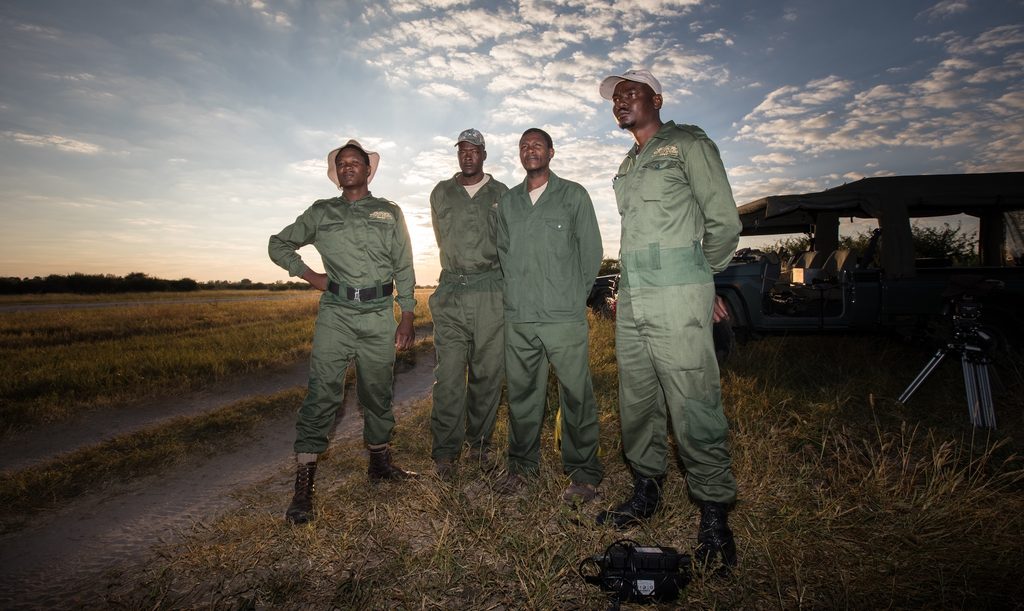
The finest guides do more than find wildlife. They help you notice the alarm call that reveals a predator, the politics inside a herd, the change in light before an afternoon storm. Great Plains chooses its guides for knowledge and for the way they host, and their guiding practice follows National Geographic standards. The person beside you shapes how deeply you understand what you see.
Safari Without Losing The Luxury
The word “camp” causes unnecessary anxiety for some first-time travellers.
This is not camping in the conventional sense.
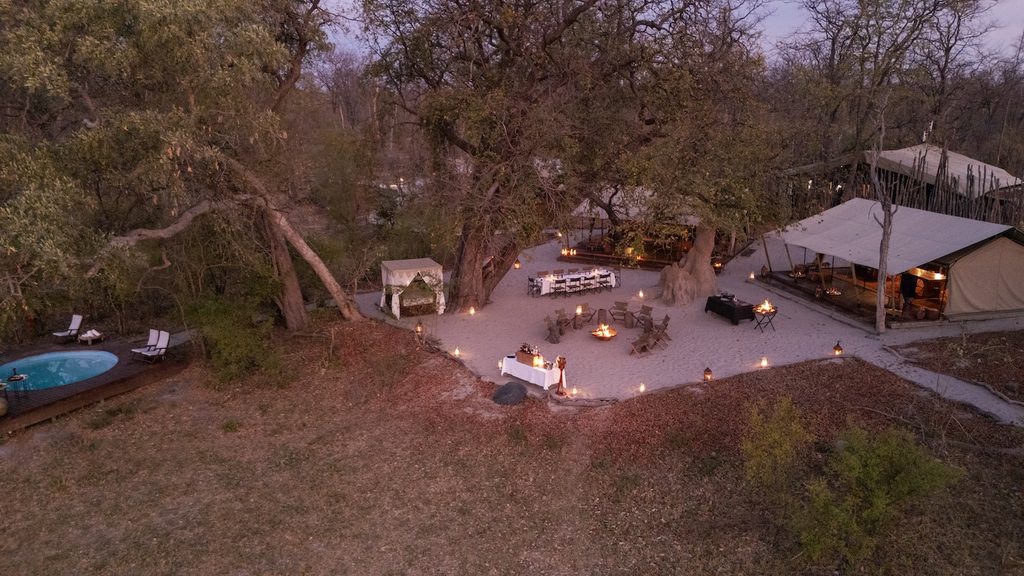
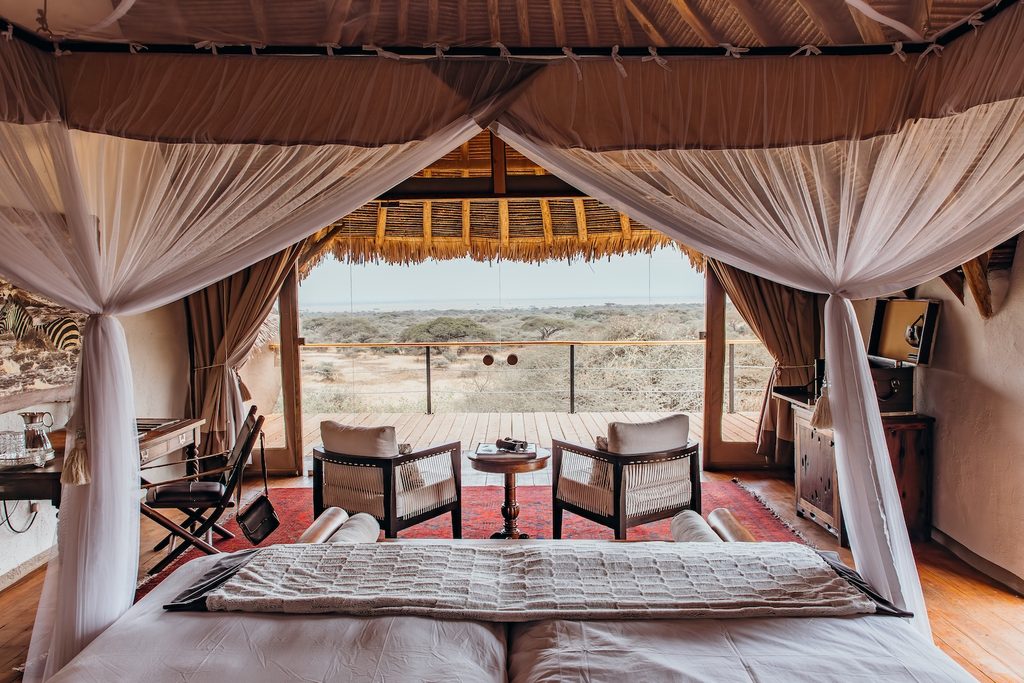
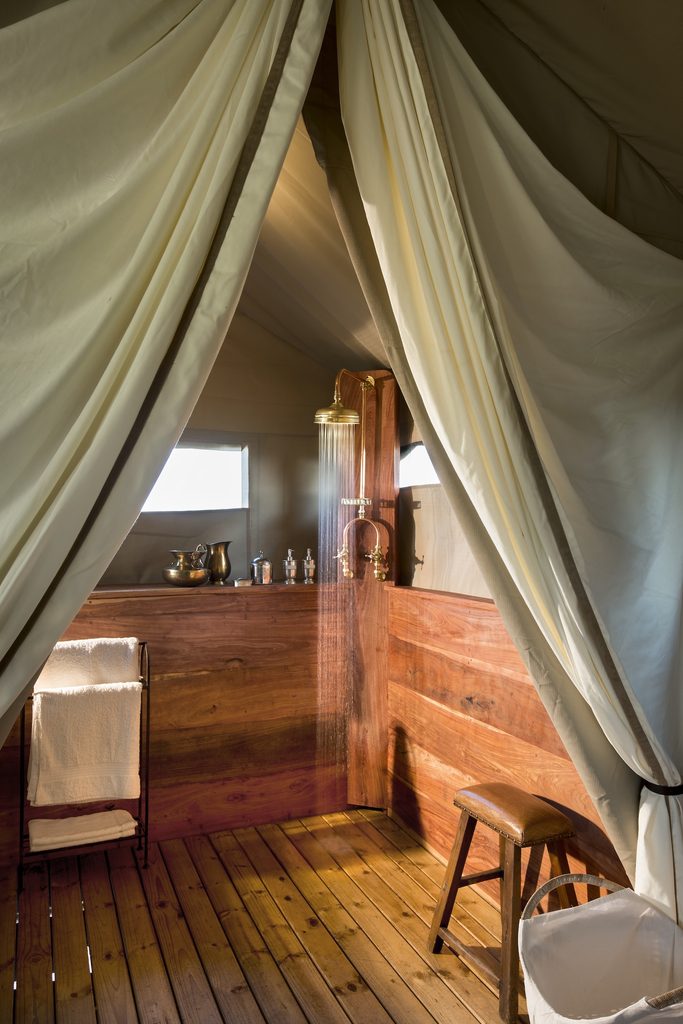
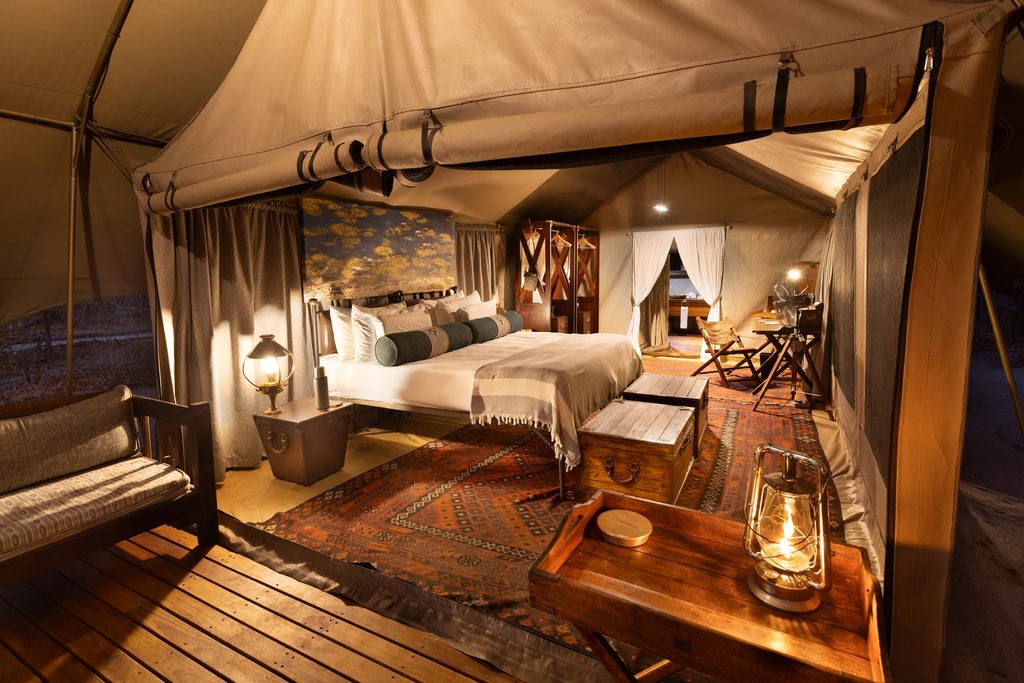
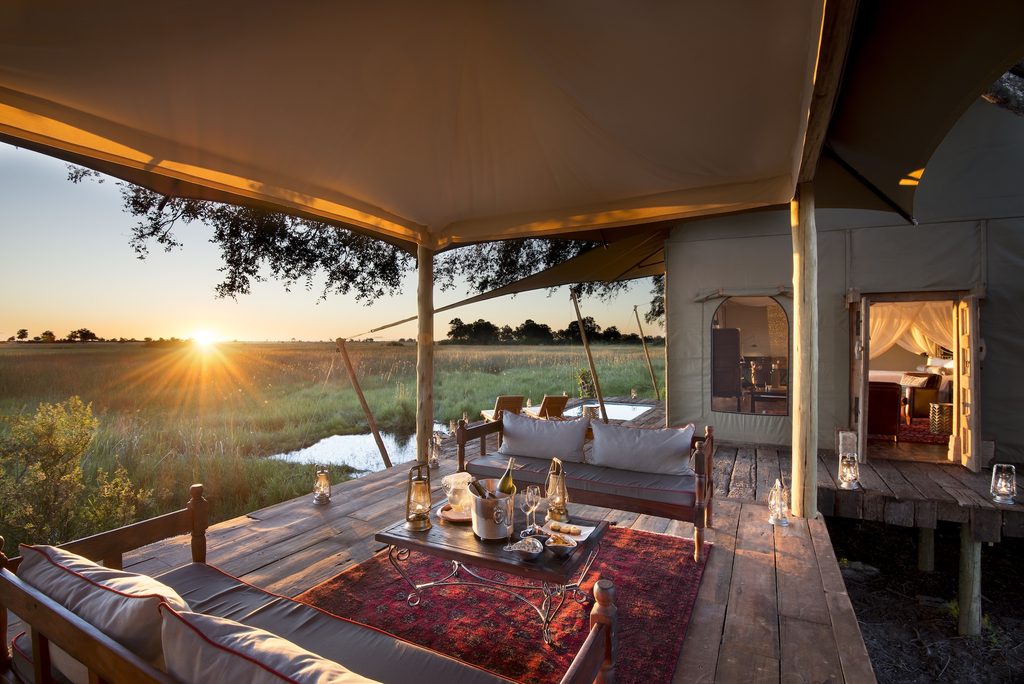
At Great Plains’ Réserve-Collection camps, expect beautifully designed tented suites, proper bathrooms, excellent food, highly personal service and, at selected camps, private plunge pools and other comforts you would associate with a serious luxury hotel. The Réserve-Collection camps are members of Relais & Châteaux.
The Explorer-Collection is simpler and more traditional in style, but still has proper beds, ensuite bathrooms and hot water. The difference is less about the quality of the safari and more about how much luxury you want around it.
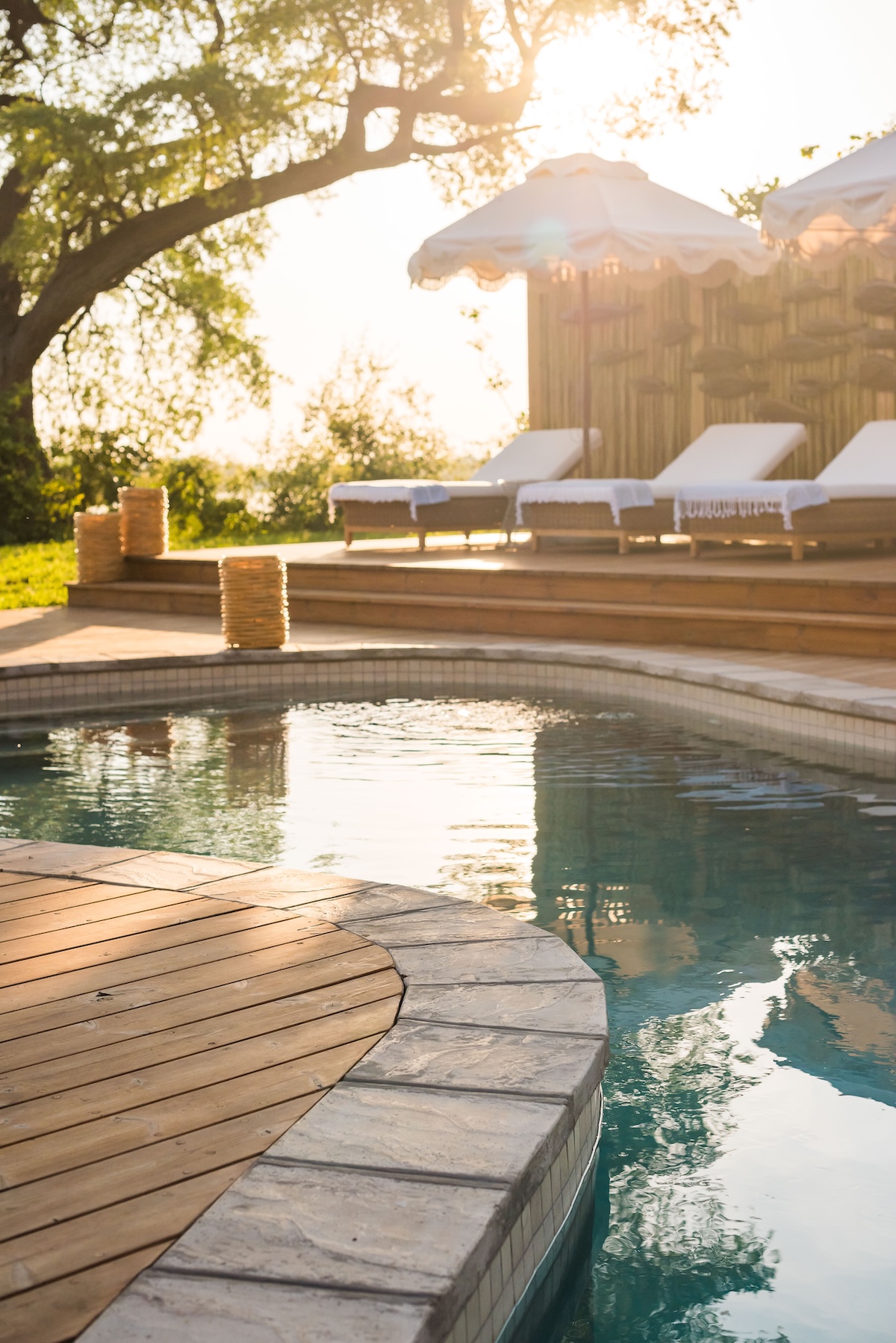
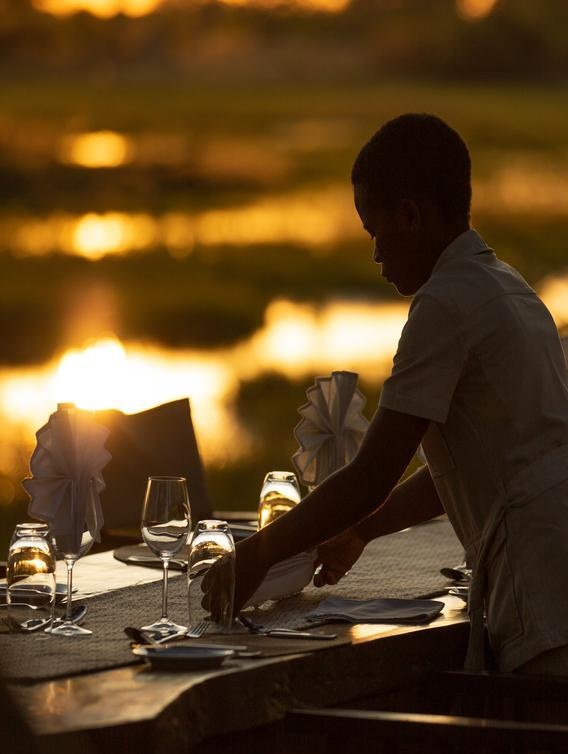
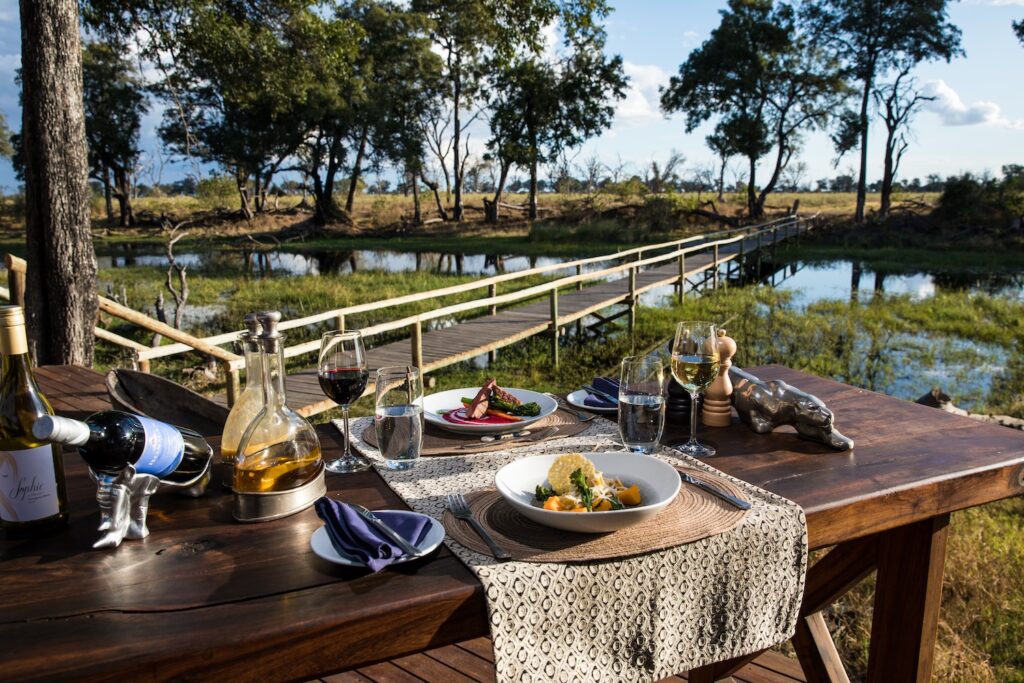
What Great Plains does particularly well is preserve the reason you came. You can return from a dusty game drive to a hot shower, a good meal and a beautiful bed without feeling that the hotel has insulated you from Africa
You still hear the bush at night. You still wake before sunrise. You still spend the day looking for animals rather than facilities.
Why Great Plains Conservation
Dereck and Beverly Joubert spent 40 years filming African wildlife, producing 35 films and winning eight Emmy awards, before they started buying the land they had been filming. Great Plains began in 2006 with the Selinda Reserve in Botswana.
Hunting concessions became photographic reserves. Emptied land was restocked. The company now holds close to 500,000 hectares across Kenya, Botswana and Zimbabwe, with 18 camps funding the protection of all of it.
Five Things Make the Collection Strong for A First Safari.
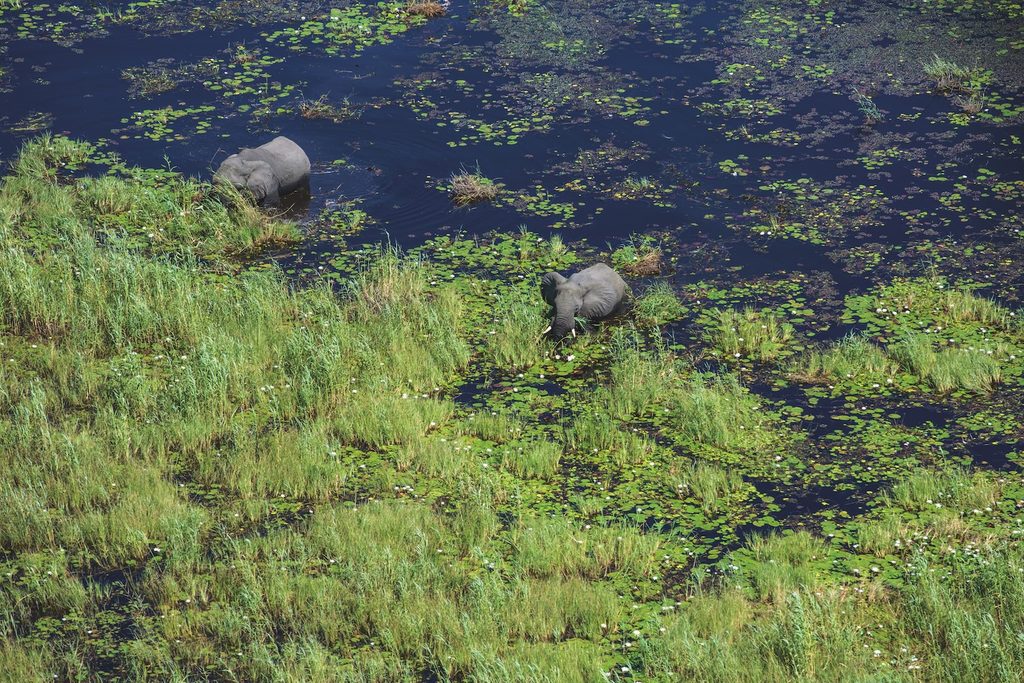
Private Land.
Most camps sit inside private reserves or conservancies, which allows off road driving, night drives and walking. Kenya’s national reserves permit none of these.
Very Small Camps.
Zarafa takes eight guests. Duba Plains takes 12. You will recognise every face at dinner by the second night.
Several Ways to Explore.
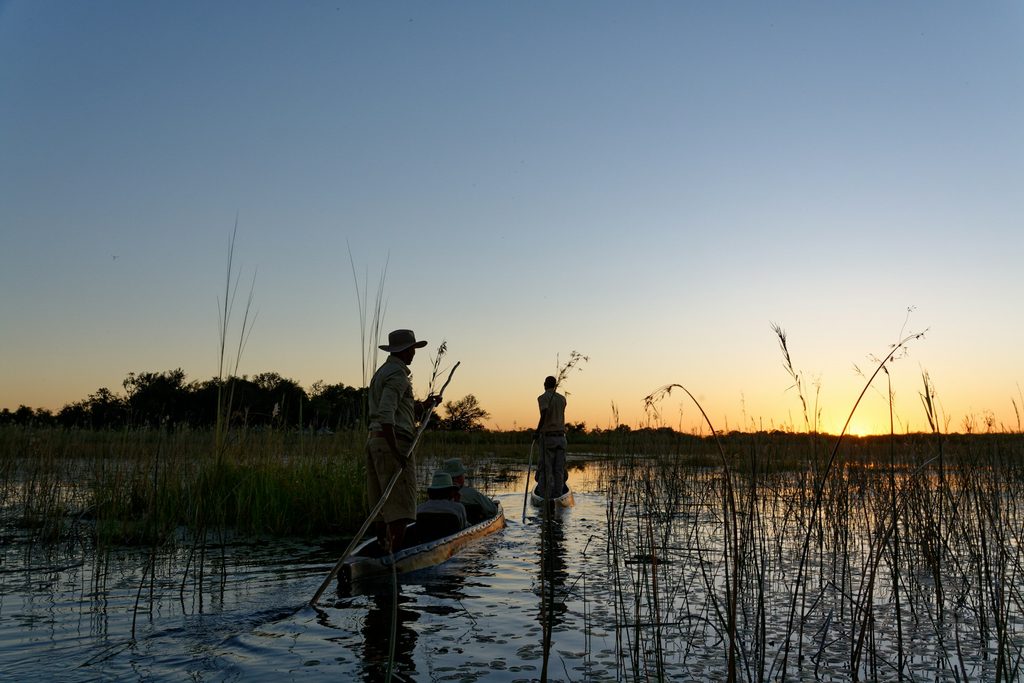
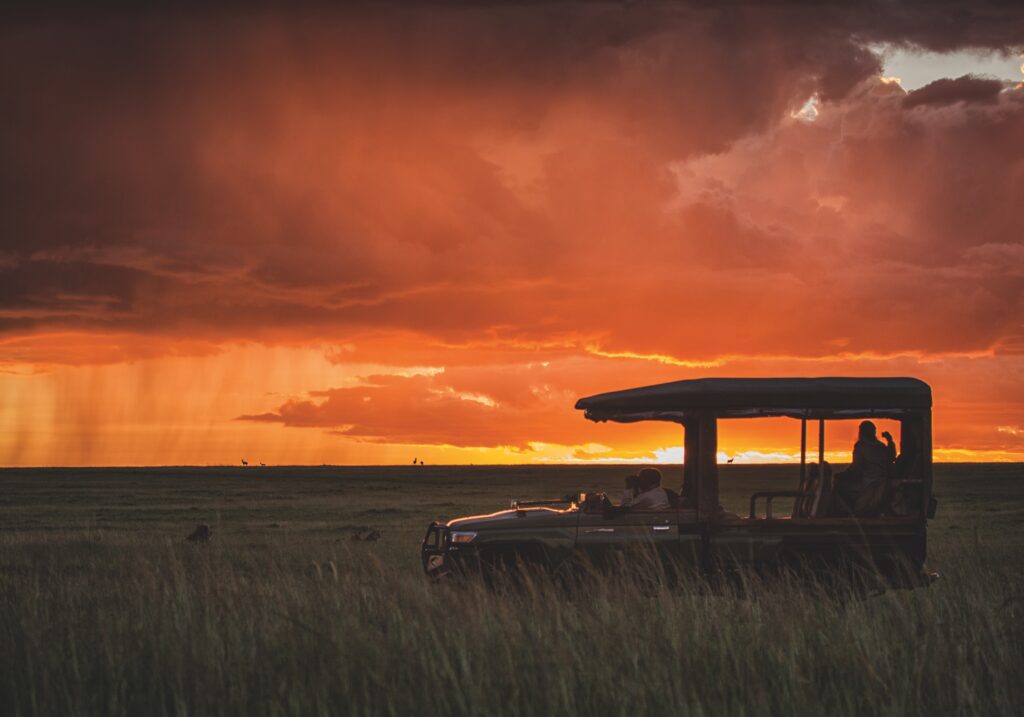
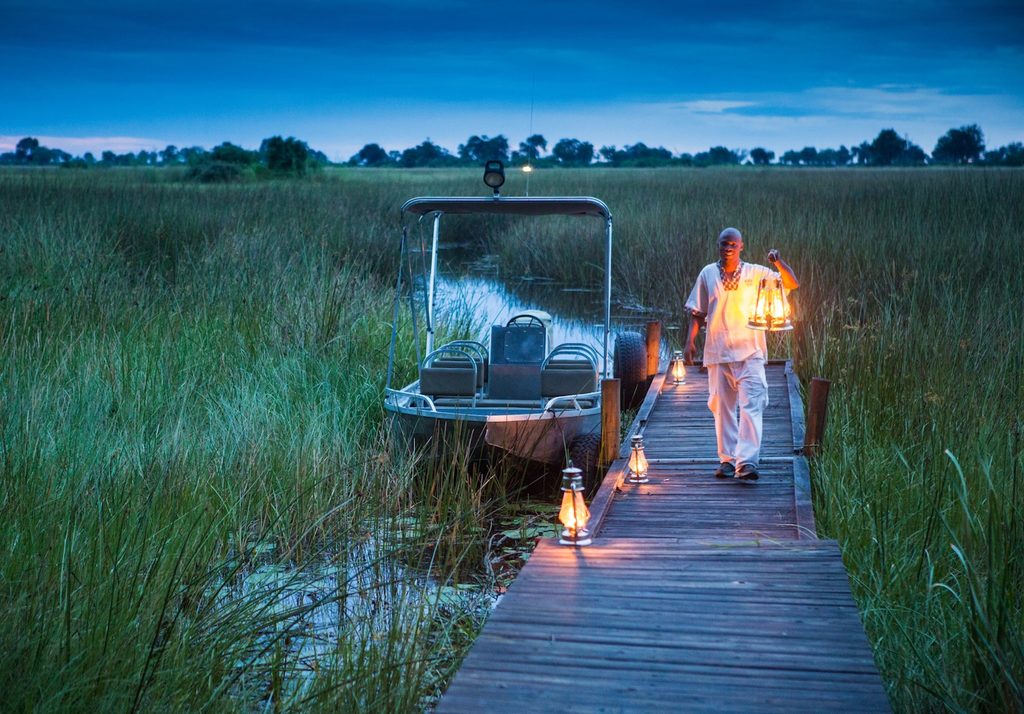
Open vehicle, on foot, by boat, by mokoro, on horseback or by bicycle, depending on camp and water levels.
Guiding with Depth.
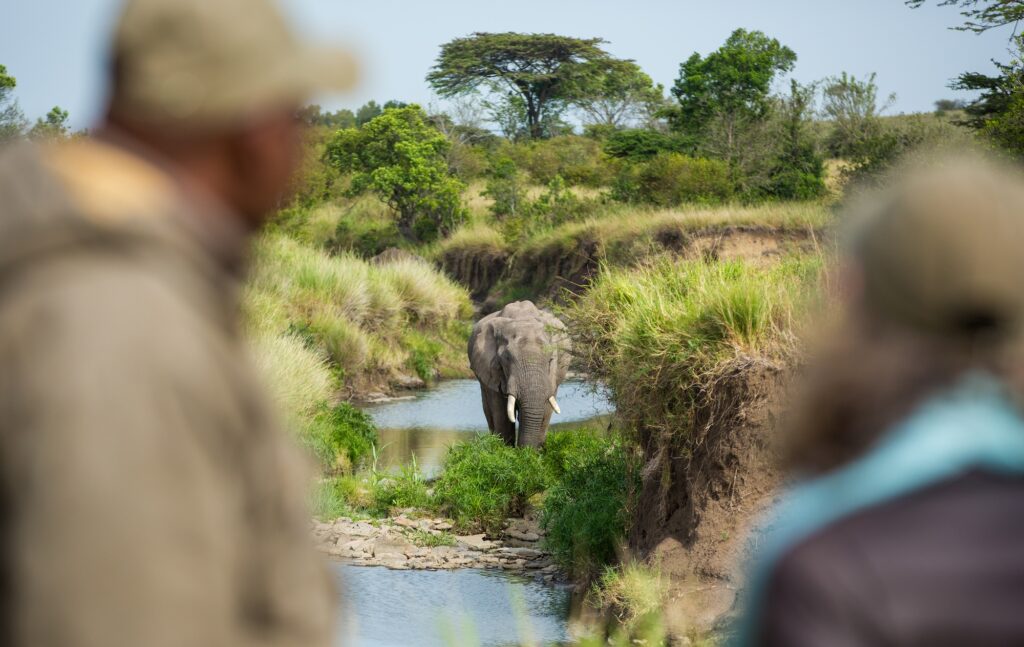
Interpretation turns a sighting into a story, which matters most when the landscape is new to you.
Two Tiers, One Standard of Guiding.
The Explorer camps cost less than the Réserve camps and share the same reserves, guides and wildlife.
Kenya, Botswana or Zimbabwe, where should you begin ?
There is no single best safari country. The right answer depends on the landscape you picture, the activities that appeal and the pace you want.
Kenya:
The Africa of the Imagination
For many first-time travellers, Kenya is the Africa they have imagined.
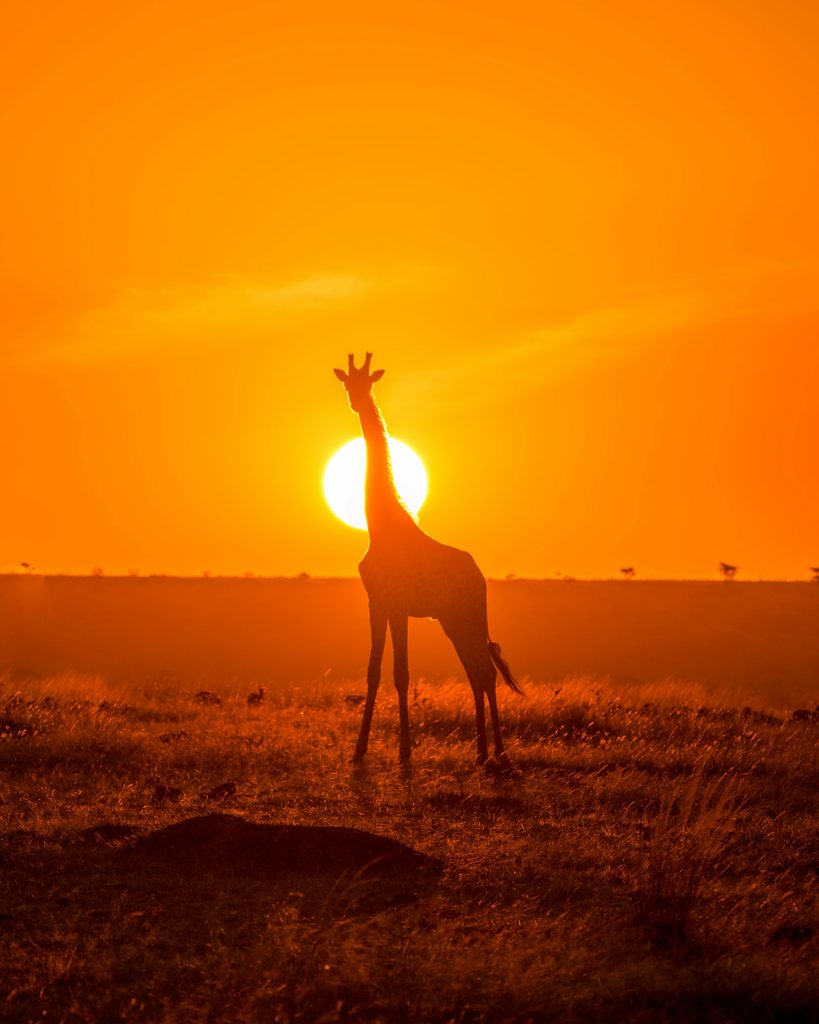
The Maasai Mara gives you open plains, strong wildlife density and excellent big-cat viewing. Great Plains has several camps in the wider Mara ecosystem, allowing different levels of comfort and privacy without losing access to the wildlife that makes the region famous.
We also like pairing the Mara with ol Donyo Lodge in the Chyulu Hills. The landscape is completely different: more space, views towards Kilimanjaro, large-tusked elephants, horseback riding and mountain biking alongside conventional game drives.
That contrast makes Kenya particularly easy to understand as a first safari: one country, two very different experiences.
Choose Kenya if you want the iconic safari picture, lions, open plains and a strong chance of varied wildlife, with straightforward combinations within one country.
Zimbabwe:
Adventure with Depth
Zimbabwe suits travellers who want to do more than sit in a vehicle.
In the Zambezi region, safari can include drives, guided walks, boating and canoeing when conditions allow. Great Plains’ Tembo Plains is in the private Sapi Reserve, adjoining the Mana Pools ecosystem, while Mpala Jena offers an easy pairing with Victoria Falls.
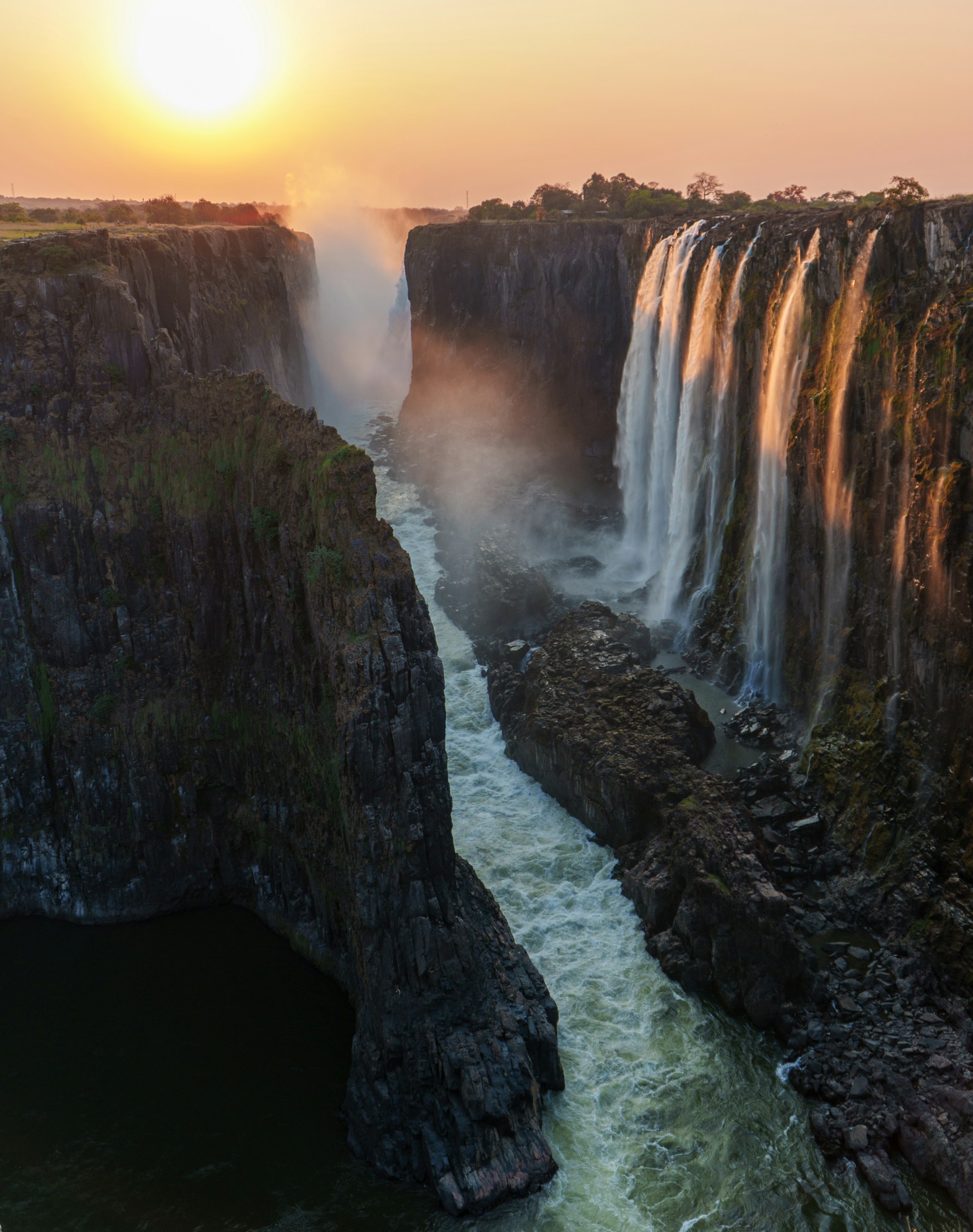
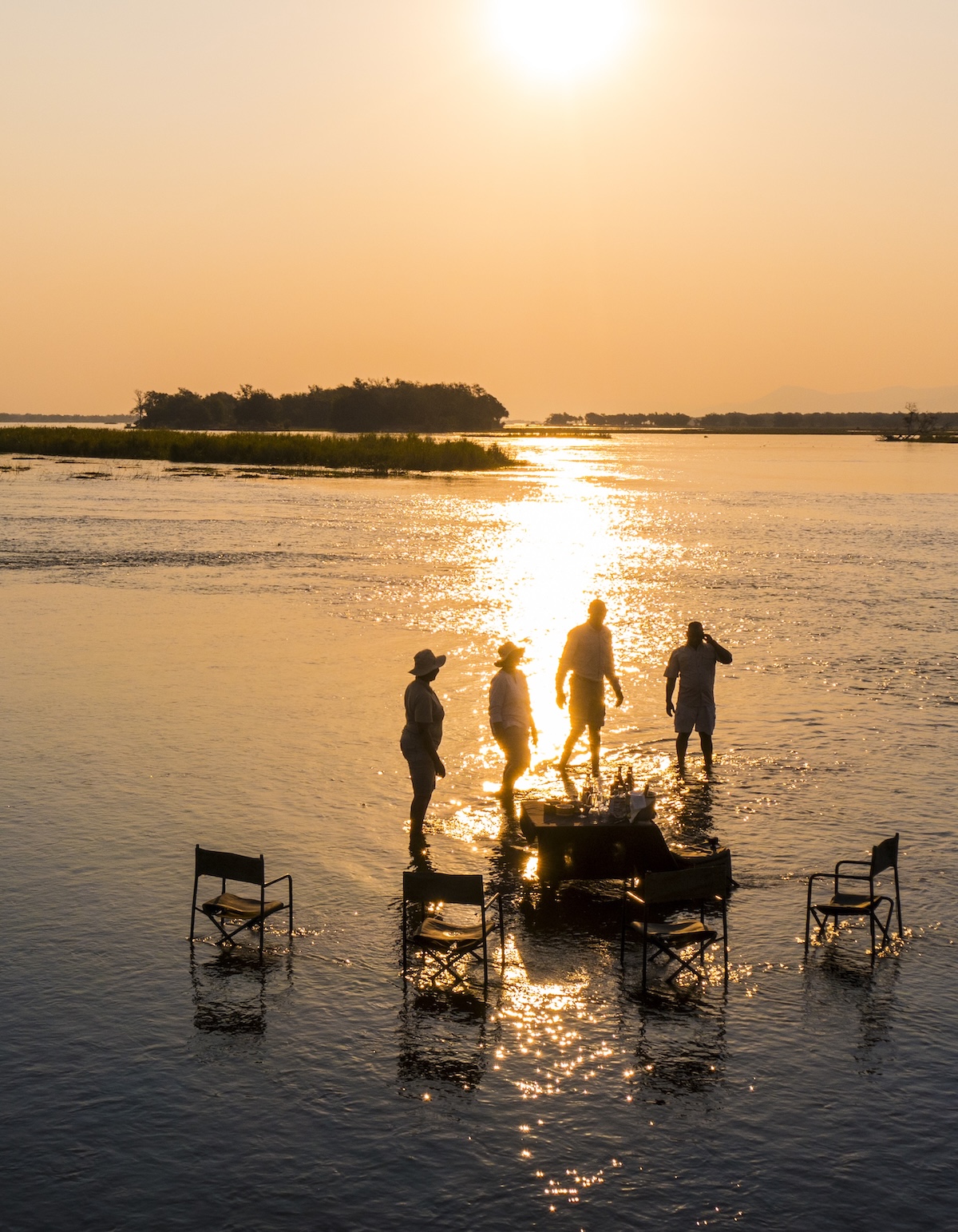
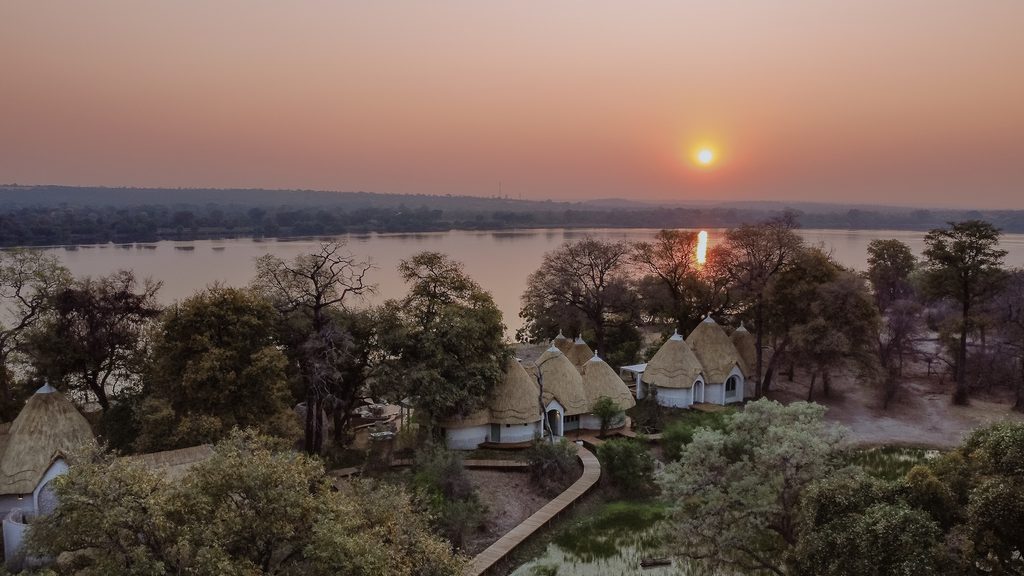
Zimbabwe can work beautifully as a first safari for someone who is naturally adventurous, but we also like it as a second country after Botswana.
Choose Zimbabwe if walking and being physically closer to the landscape appeal to you, or if you want to combine safari with Victoria Falls.
Botswana:
Privacy, Water and Space
Botswana is where we look when privacy and a feeling of remoteness matter most.
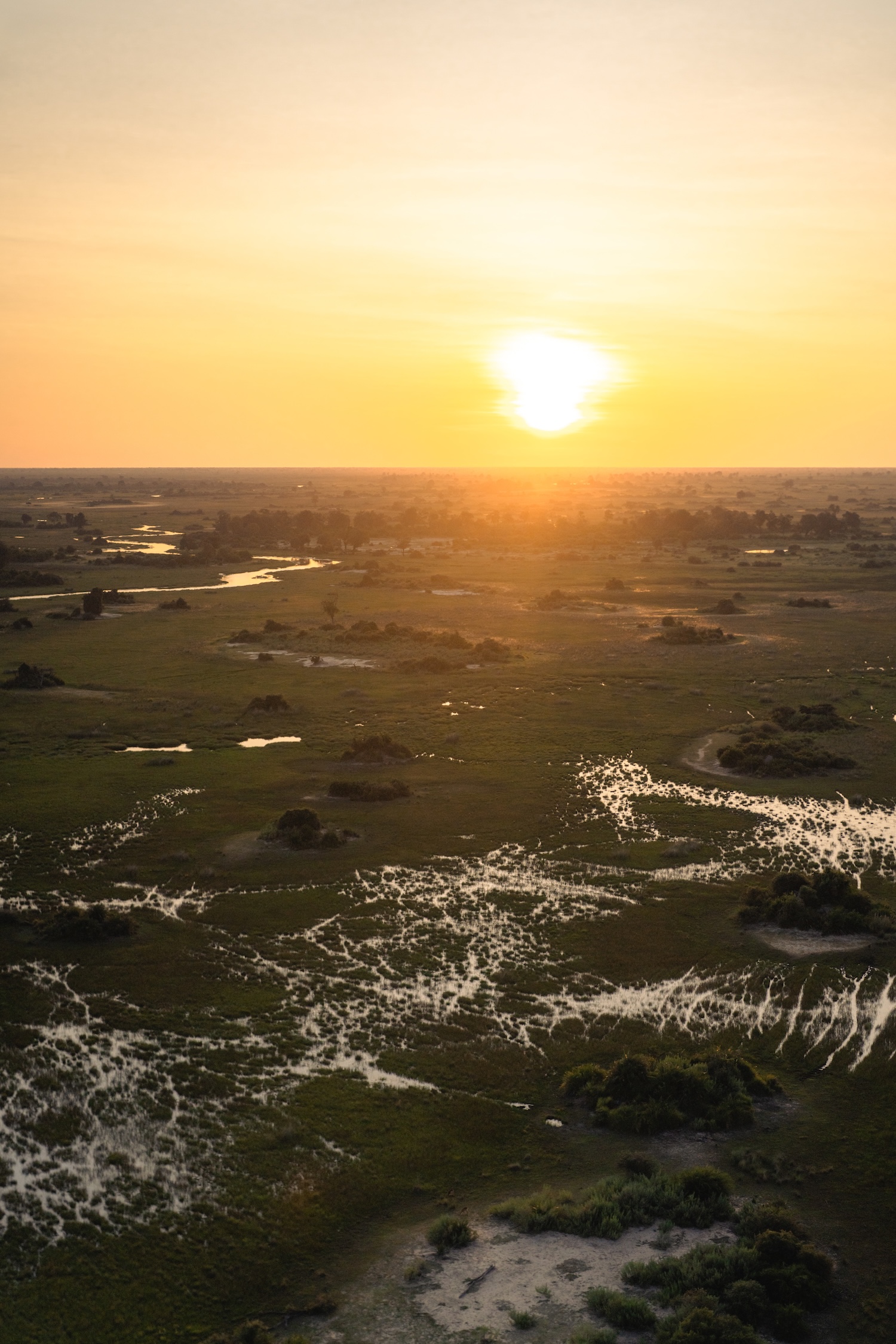
The Okavango and surrounding reserves are a mosaic of floodplains, channels, islands and woodland. Depending on the season and water levels, your day may include a game drive, boat or mokoro rather than staying in a vehicle throughout.
Great Plains has a particularly strong footprint here, including camps in the Selinda Reserve and private concessions around the Okavango. Zarafa is one of the smallest, while Duba Plains is known for a wildlife-rich setting where lions, buffalo and other predators play out against a landscape shaped by water.
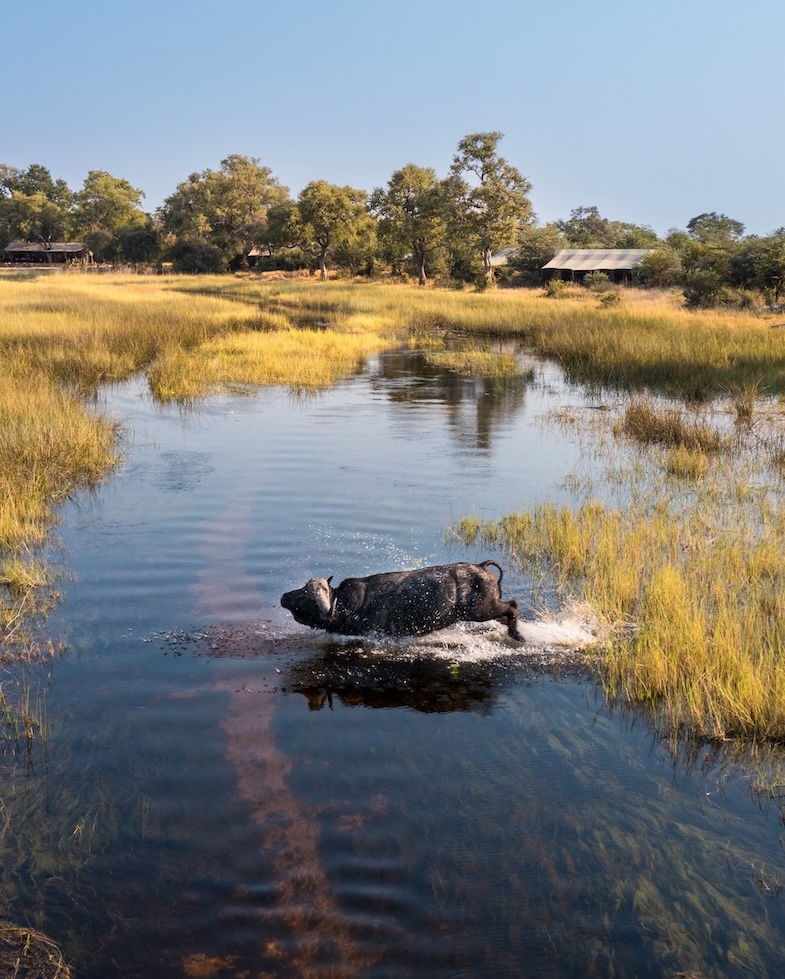
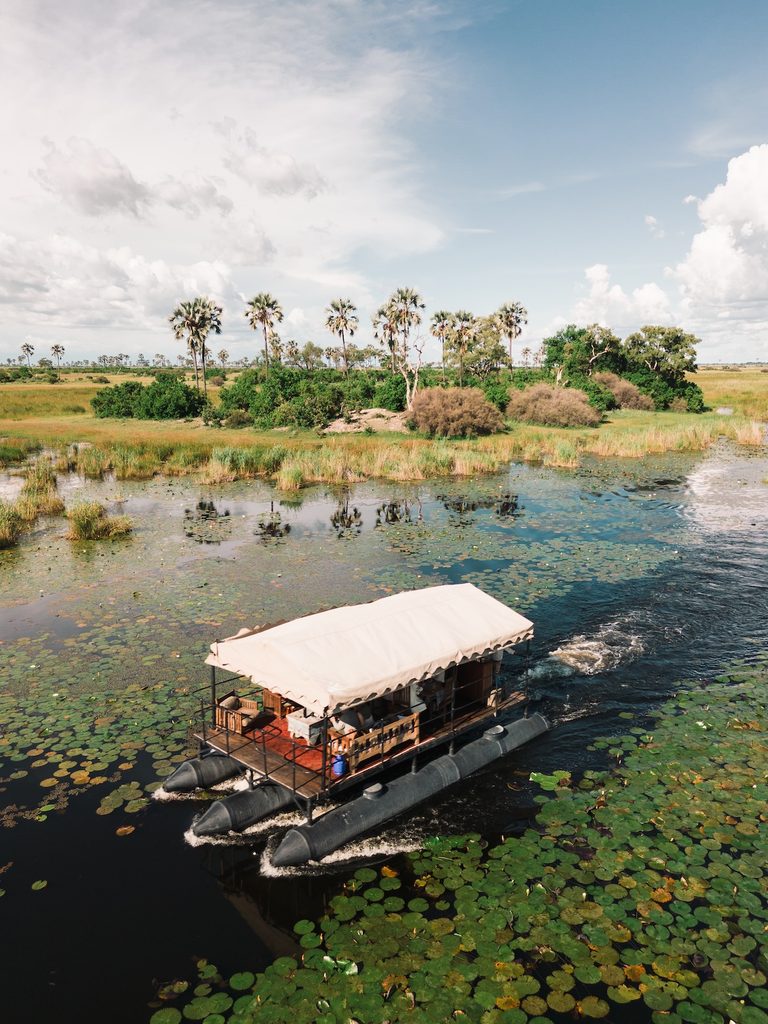
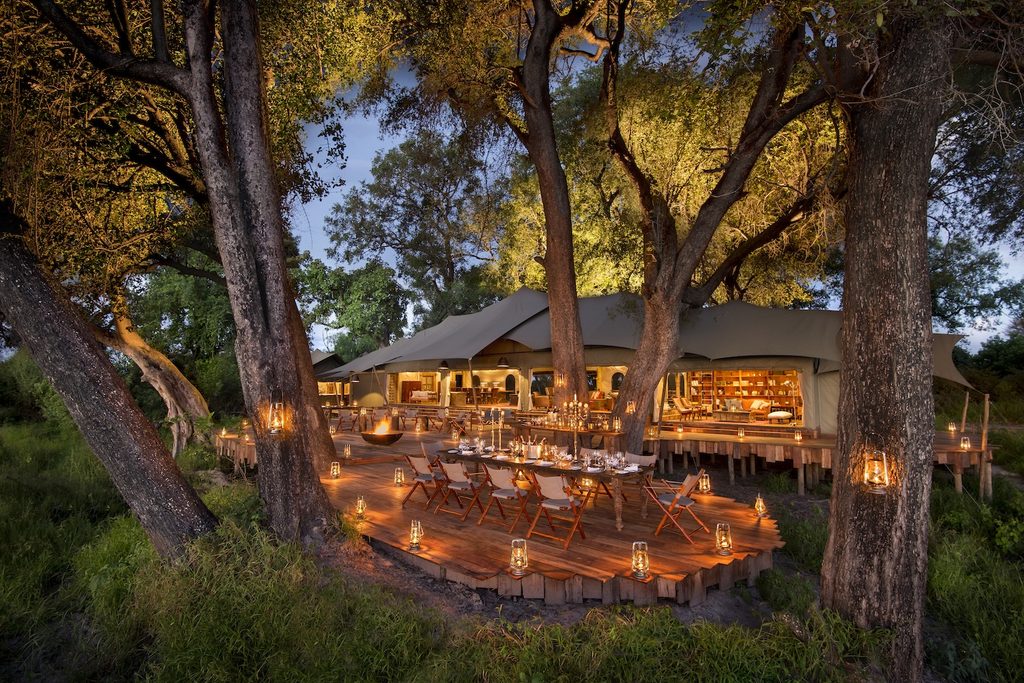
Botswana is often more expensive than a comparable safari elsewhere, but the trade-off is space, small camps and a very high-quality safari experience.
Choose Botswana if you value privacy, want a more remote journey and like the idea of combining land and water-based wildlife viewing.
Choosing Your Camp:
Réserve or Explorer
Great Plains has two main styles of camp, and we do not think one is automatically “better”.
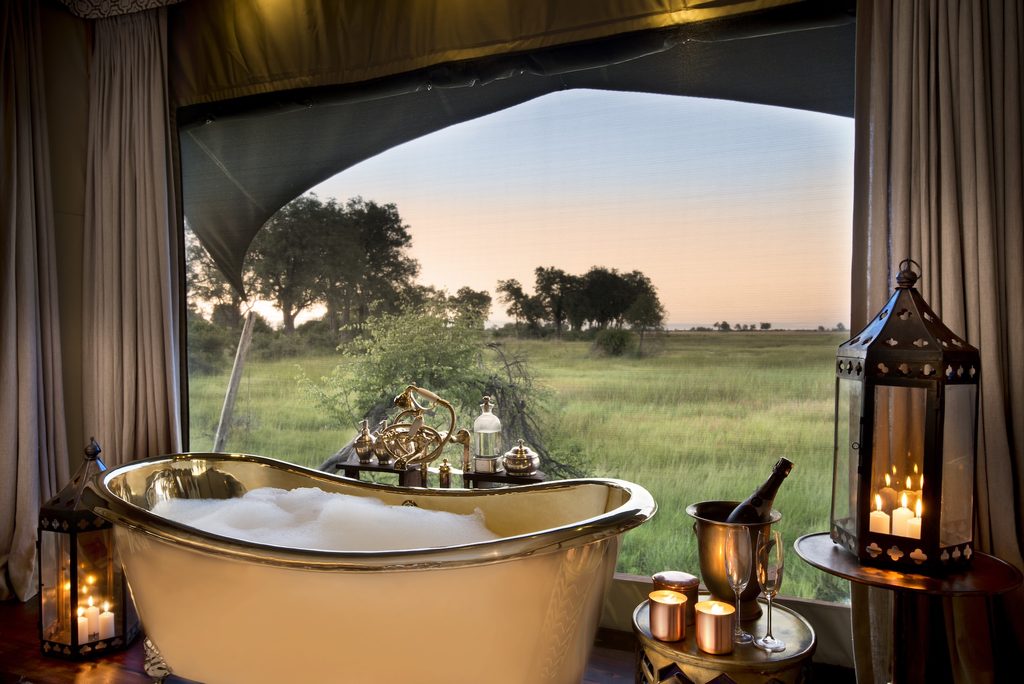
Réserve is the higher-luxury collection. Think larger tented suites, more elaborate bathrooms, private pools at selected camps and polished Relais & Châteaux-level hospitality. It is an easy choice for a honeymoon, milestone trip or anyone who wants the accommodation to be part of the pleasure.
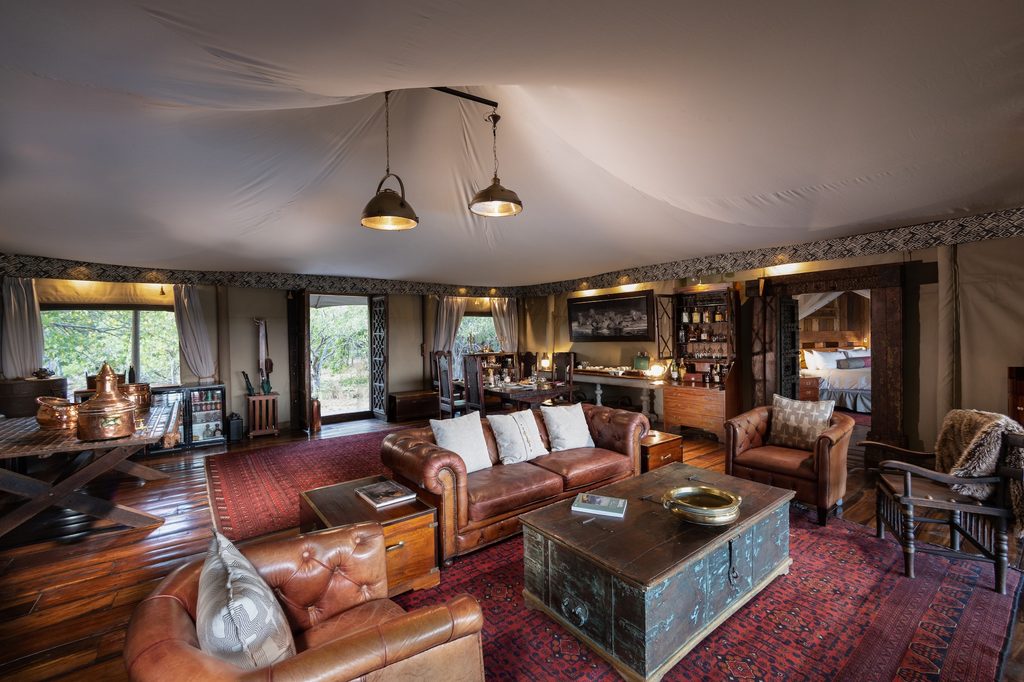
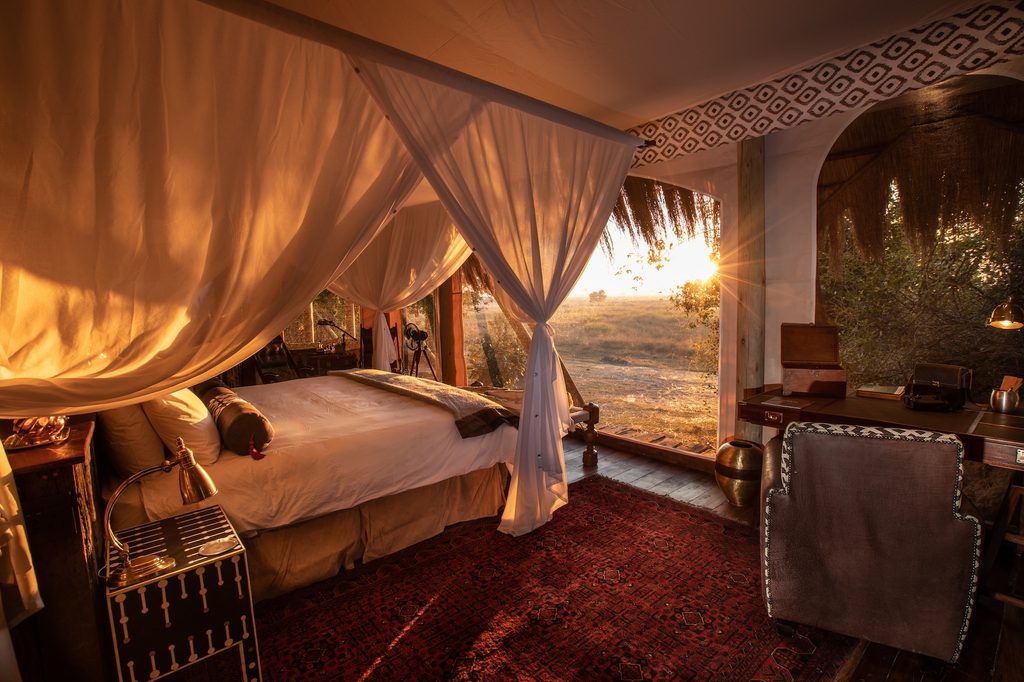
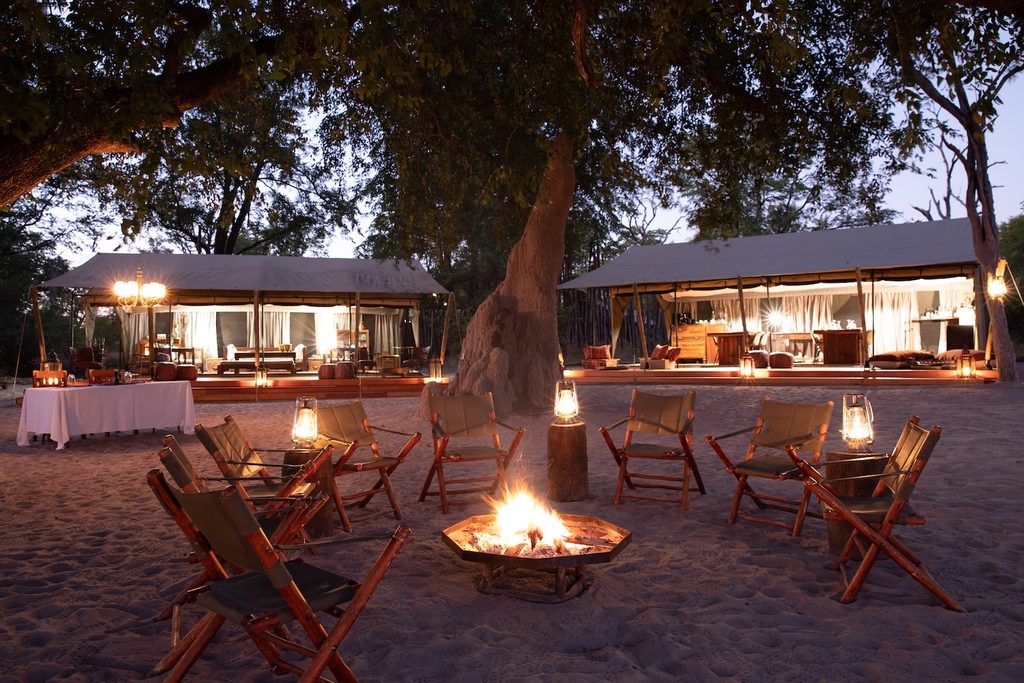
Explorer is closer to the classic tented safari aesthetic but still very comfortable. You still have a proper bed, ensuite bathroom and hot water, but there is less emphasis on the suite itself.
The important point is that the wildlife experience remains the same. Great Plains positions its Explorer camps in the same broader wilderness areas and maintains a strong guiding focus across both collections.
Our advice is straightforward: choose Explorer if you would rather spend the money on two extra nights than a better bathroom. Choose Réserve if comfort is part of what will make you relax into Africa.
Or mix the two, pairing Explorer and Réserve camps can give you a more balanced journey, with different styles of safari and comfort along the way.
What a Day on Safari Actually Looks Like
Safari days follow the wildlife and the temperature rather than the clock.
An early start gives you the best light and the most activity. After coffee, you head out with your guide as the landscape wakes. You return for a late breakfast, then rest, read or watch what walks past camp.
In the late afternoon you go out again as the heat softens. Sundowners come somewhere with a view, and the drive continues into dusk. Dinner might be under the stars, in the main area or somewhere unexpected in the bush.
At a camp of four or five tents, this rhythm bends. Some guests stay out for every possible sighting. Others want a slower balance of exploration and quiet. Both are proper ways to do it.
The most common mistake we see on a first safari is trying to fit in too much. Changing camps every two nights creates more airports, packing and transfers without necessarily creating a better safari. Three or four nights in the right place gives you time for weather, wildlife and luck to work in your favour.
From Imagining Africa to Being There
The internet will show you hundreds of beautiful camps. Deciding which one fits you is the harder question, along with whether two properties are too alike, how seasonal water shapes the activities and when an extra night beats an extra destination.
We start with the traveller. What first drew you to Africa, the wildlife, the photography, the landscapes or the distance from ordinary life? Are you after an adventurous journey or a restorative one? Is this a honeymoon, a family milestone or a promise you are finally ready to keep?
From there we settle the camps, the season, the sequence and the length. We handle the international gateway, the regional connections, the light aircraft schedule, the room configurations and the pace between camps.
We have been building African journeys out of Singapore for over a decade, and we have slept in these camps rather than read about them.
Tell us your window and how many nights you have. We will come back with a routing, a camp pairing and a number.
The Wild Places Behind the Experience
Most first-time travellers do not choose safari because they want a lesson in conservation.
They go because they want to see elephants, lions, leopards and other wildlife living freely in the landscapes where they belong.
Once you are there, it becomes difficult to separate the wildlife from the land that supports it.
This is where the Great Plains story becomes more meaningful. Founders Dereck and Beverly Joubert are filmmakers and conservationists, and Great Plains was built around the idea that high-value, low-impact tourism can help keep large areas of African wilderness intact.
The company’s work has included wildlife relocation, anti-poaching support, ranger programmes and community initiatives across the countries where it operates.
You do not need to understand any of that before your first safari.
But when you have spent an hour watching a herd of elephants with no buildings in sight, the value of protecting enough space for that to remain possible becomes very clear.
Getting there from Singapore
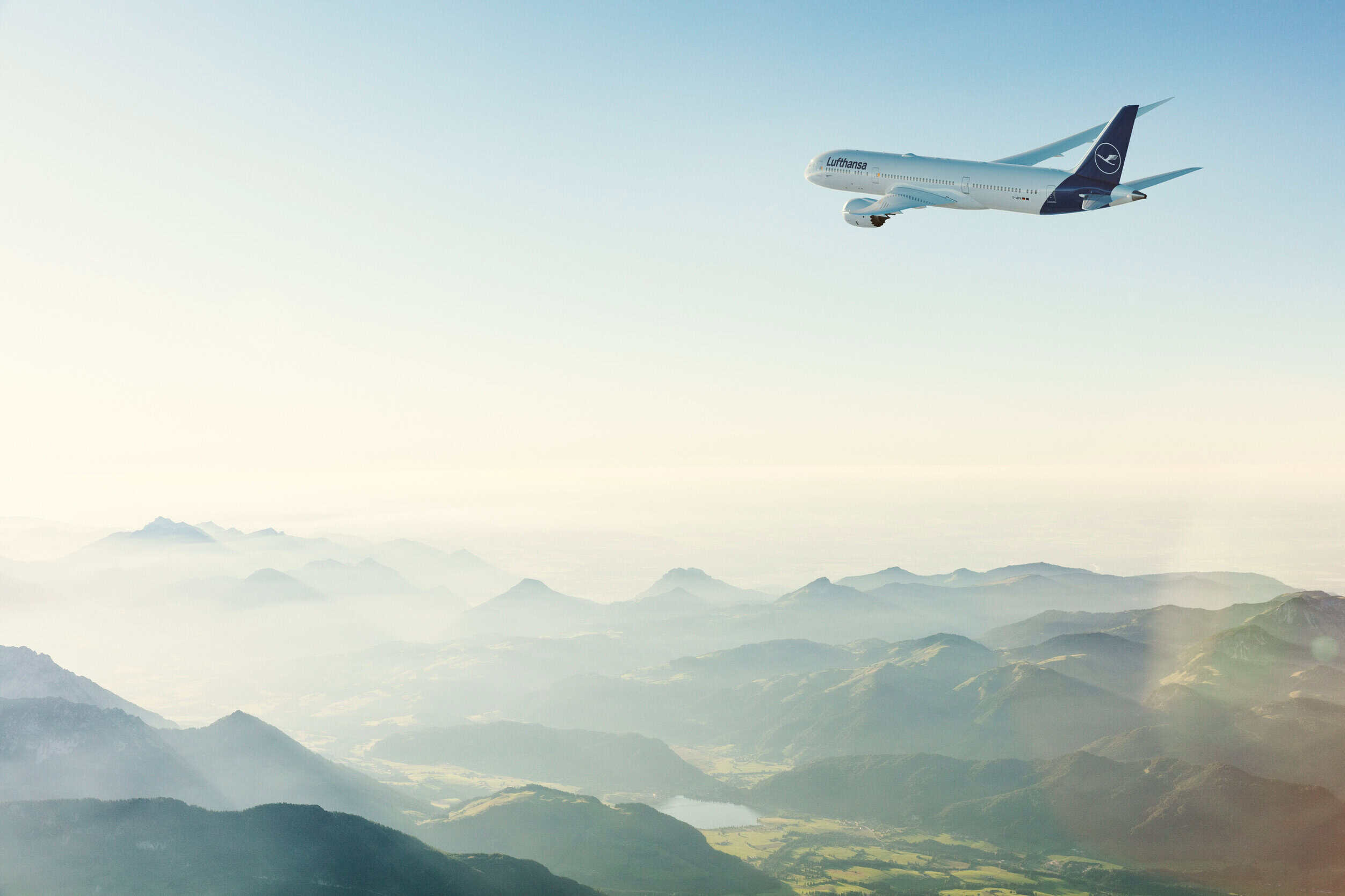
For Botswana and Zimbabwe, Singapore Airlines flies nonstop to Johannesburg in about 10 hours 40 minutes, twice daily. Airlink connects to Maun, Kasane or Victoria Falls. A light aircraft covers the last leg, roughly 45 minutes from Maun to the Selinda airstrip.
For Kenya there is no nonstop service from Singapore. One stop routings run through Doha, Dubai, Addis Ababa or Bangkok, putting you in Nairobi in 14 to 16 hours of total travel. Safarilink and light aircraft handle the transfer to the Mara or ol Donyo.
Three things we insist on with our clients.
Build in a Johannesburg or Nairobi overnight rather than gambling on a tight same day connection. A missed light aircraft costs you a full safari day.
Light aircraft also come with luggage restrictions. Soft-sided bags are normally required and weight limits vary by operator, so we give clients the exact packing requirements once the routing is confirmed.
Book the camp before the flight. Four tents sell out 12 months ahead, seats do not.
The Questions First Time Travellers Ask
How long should we go for ?
Seven to 10 nights on safari makes a rewarding first journey, usually split between two complementary areas. From Singapore, allow two travel days on top. Adding Victoria Falls, the Cape winelands or the coast will extend that.
Is safari physically demanding?
It need not be. Game drives from a comfortable open vehicle carry most itineraries. Walking, riding, boating and canoeing are added by interest and fitness.
Will we definitely see the Big Five?
Wildlife is never staged, and no honest adviser promises a sighting. What we can do is choose strong wildlife areas, pick the season intelligently and leave enough time. Rhino are the hardest of the five to guarantee, which is worth knowing before you set your heart on it.
Will it feel too rustic?
At the right camp, no. Every Great Plains suite has a proper ensuite bathroom, and the Réserve camps add copper baths, private plunge pools and Relais & Châteaux service. Facilities vary between the two tiers, which is why we match the camp to your expectations.
Is safari suitable for families?
Yes, with the right camp. ol Donyo Lodge suits families well, and the two bedroom private suites at Zarafa, Duba Plains and Selinda give you space and a private vehicle. Age policies vary, and Zarafa sets a minimum age of eight.
What should we pack?
Less than you think. Soft sided luggage is required for light aircraft, with a limit of about 20kg including hand luggage. Neutral, comfortable layers beat an elaborate safari wardrobe. Laundry is included at the camps, so there is little reason to overpack. We send specific guidance once your itinerary is confirmed.
Ready to begin your first African safari?
Tell us what you have always imagined about Africa. We will design a Great Plains Conservation journey around the wildlife, landscapes and pace that suit you.
Journeys
Explore crafted itineraries that spark imagination — where landscapes, flavors, and stories weave together into extraordinary experiences worth remembering.
Explore More
WHY CHOOSE US
Beyond The Itinerary
We design journeys thoughtfully — shaped by firsthand experience and an instinct for what truly matters to you.
Get to Know Us
Stress-Free
Trip planning doesn’t need to be overwhelming. We take care of the details, leaving you free to enjoy the anticipation.

Uniquely Yours
No templates. Every journey is built from scratch, designed around the moments that matter most to you.

We Live It First
We explore these places ourselves and work closely with trusted local partners. Our recommendations come from experience, not brochures.
Ready to plan your priceless moments? Connect with our Travel Designers.
Let's ChatUnveil the Stories
Discover destinations and partners we love — curated tales to inspire journeys filled with culture, connection, and quiet wonder.