Bhutan rewards you differently depending on when you go.
Spring (Mar to May) — Flowers, festivals, pleasant temperatures. Peak season, book early.
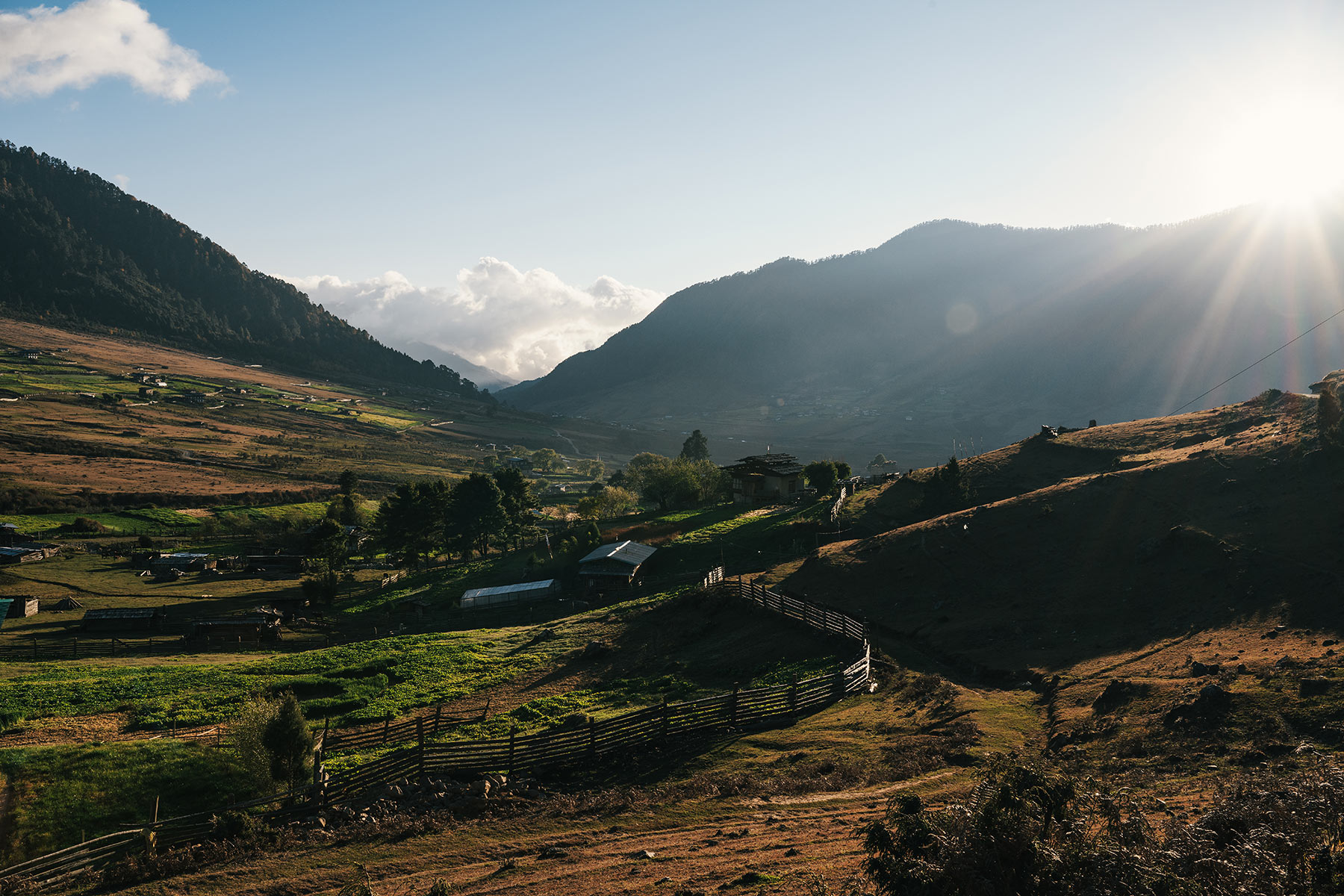
Autumn (Sep to Nov) — Clear skies, best views, ideal for hiking. Most popular overall.
Winter (Dec to Feb) — Fewer crowds, sunny days, cold nights. Great for quiet travel.
Summer (Jun to Aug) — Lush and green but expect rain. Best for those who want space and lower rates.
Do I need a visa? Yes. All visitors except Indian, Bangladeshi, and Maldivian nationals require a visa. Don’t worry, we will handle this as part of your journey.
Is altitude sickness a concern? Bhutan sits between 2,300m and 2,800m for most itineraries. A well-paced itinerary, which we plan carefully, allows your body to adjust gradually. Staying hydrated and taking it slow the first day or two helps significantly.
How do flights work? Druk Air and Bhutan Airlines are the only carriers that fly into Paro. Seats are limited, especially during peak season. We secure your flights as early as possible once your journey is confirmed.
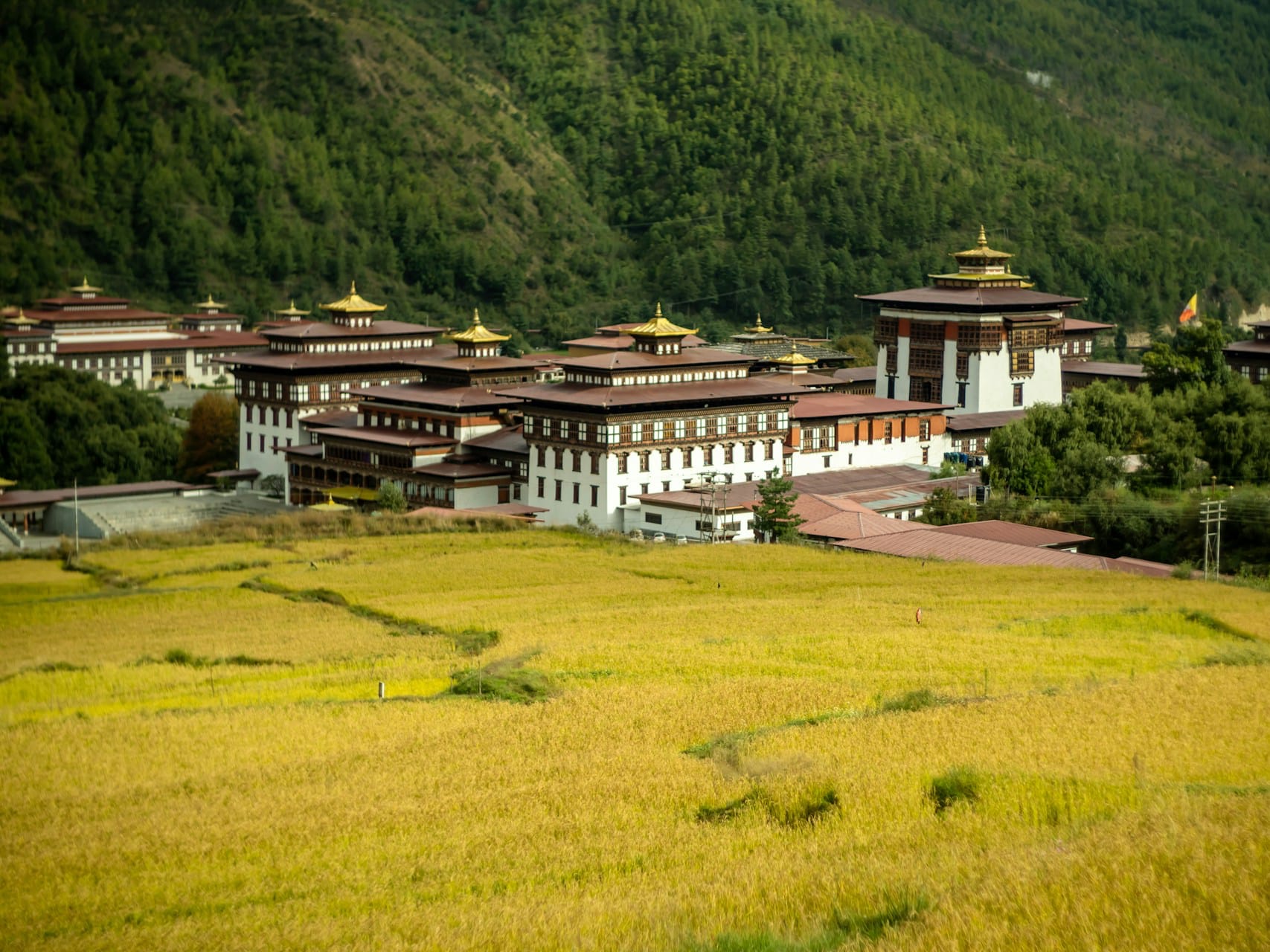
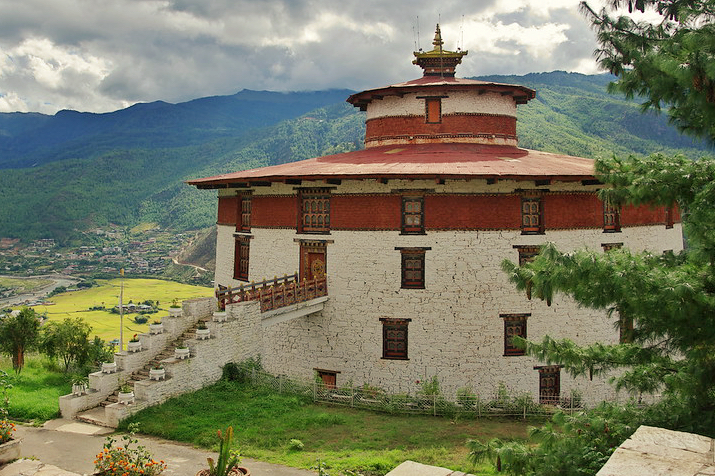
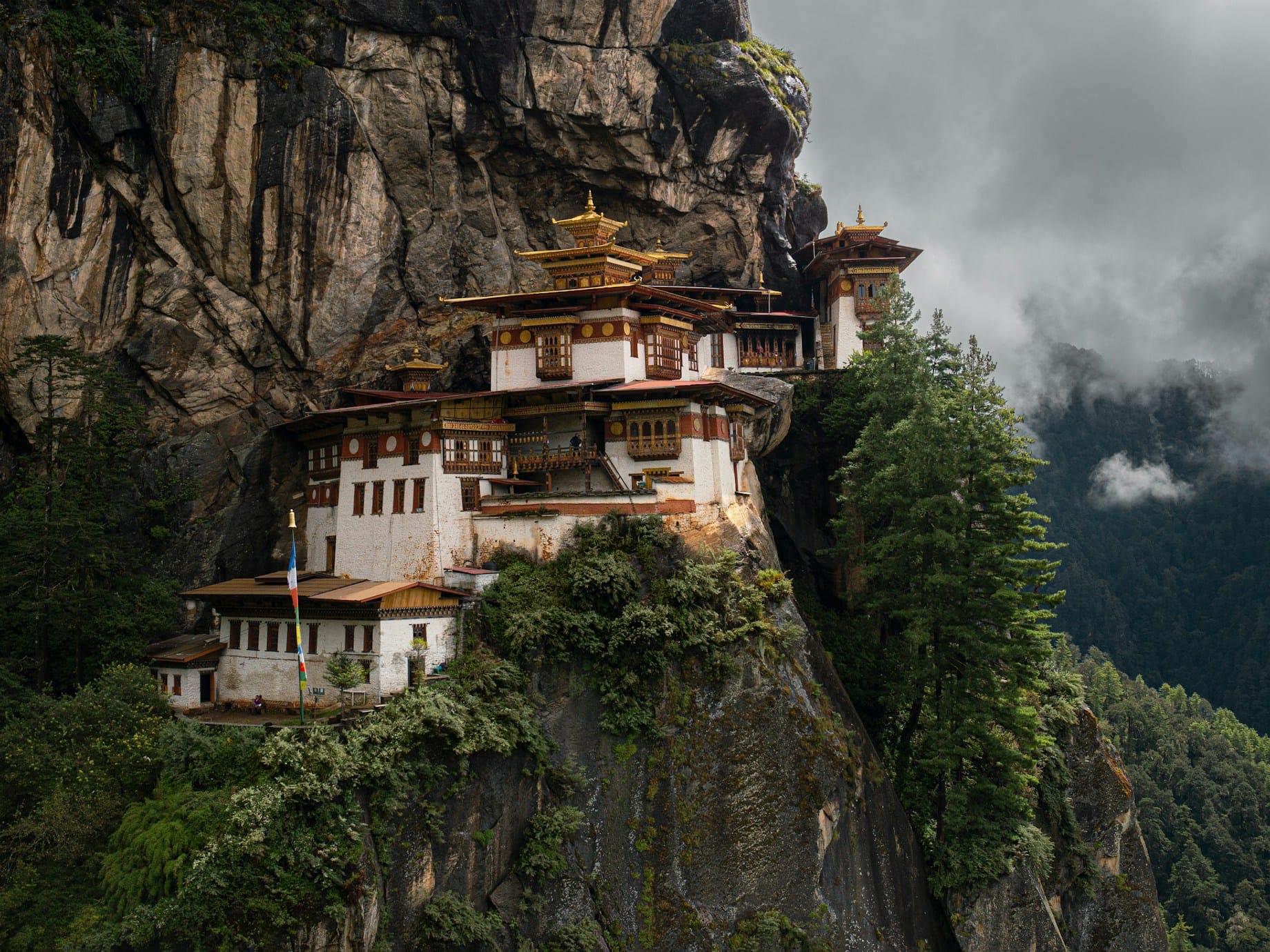
What should I pack? Layers are key regardless of season. Mornings and evenings can be cool even in summer. Comfortable walking shoes are a must. Modest dress is expected at monasteries and dzongs.
What currency is used? The Bhutanese Ngultrum (BTN), which is pegged to the Indian Rupee. USD is widely accepted at hotels and most tourist-facing businesses.
Cash or Cards? Most luxury hotels and restaurants accept credit cards, but smaller towns, local markets, and monastery entries are cash only. It’s worth carrying some USD or local currency for day-to-day expenses. ATMs exist in Thimphu and Paro but can be unreliable, so don’t depend on them.
SIM and Connectivity Local SIMs are available at Paro Airport on arrival. Coverage is decent in towns like Thimphu and Paro but drops off in rural areas and mountain trails. Most hotels offer WiFi. Honestly, the patchy connectivity is part of the experience — Bhutan is one of the few places left where being unreachable feels right.