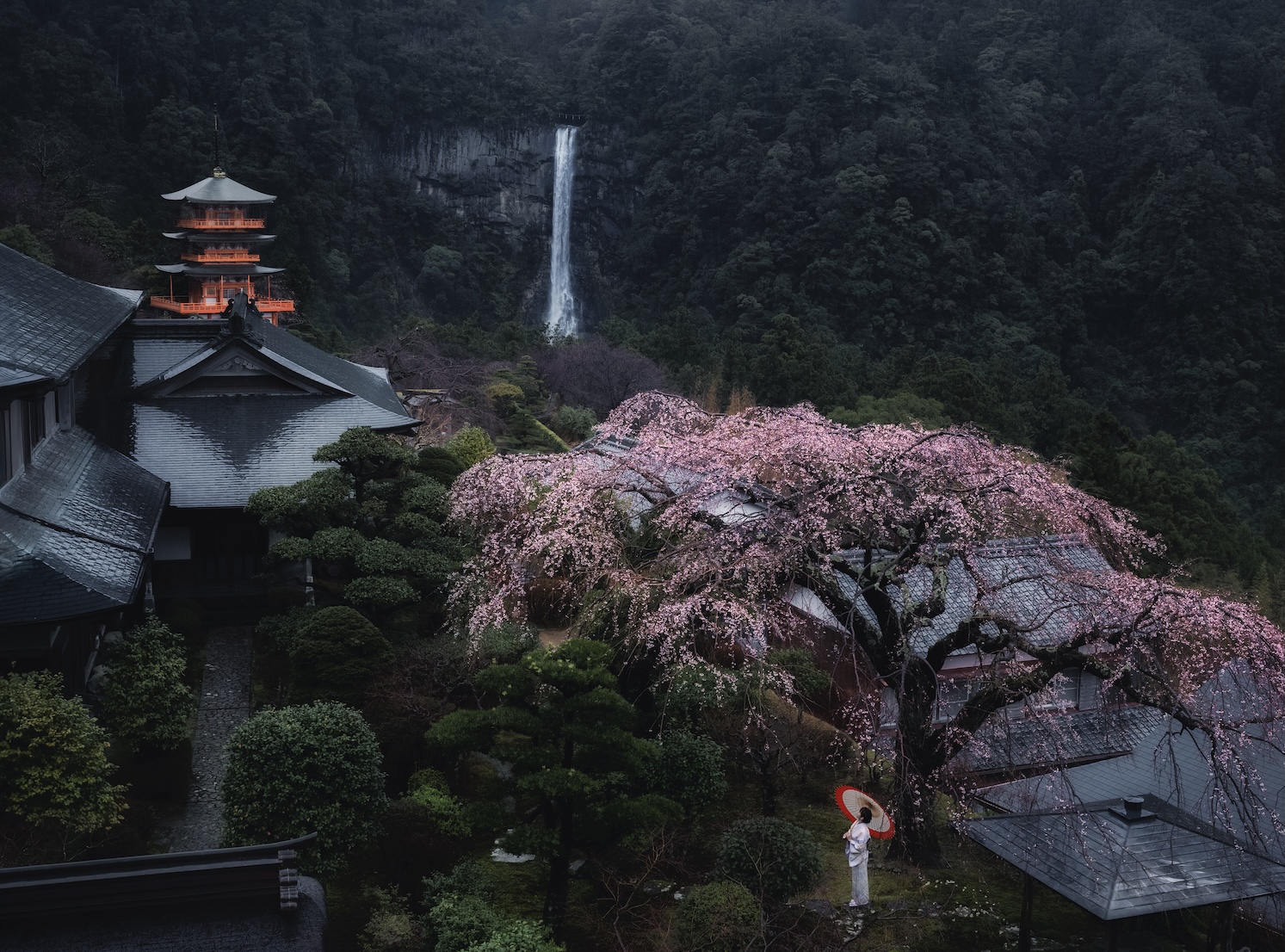
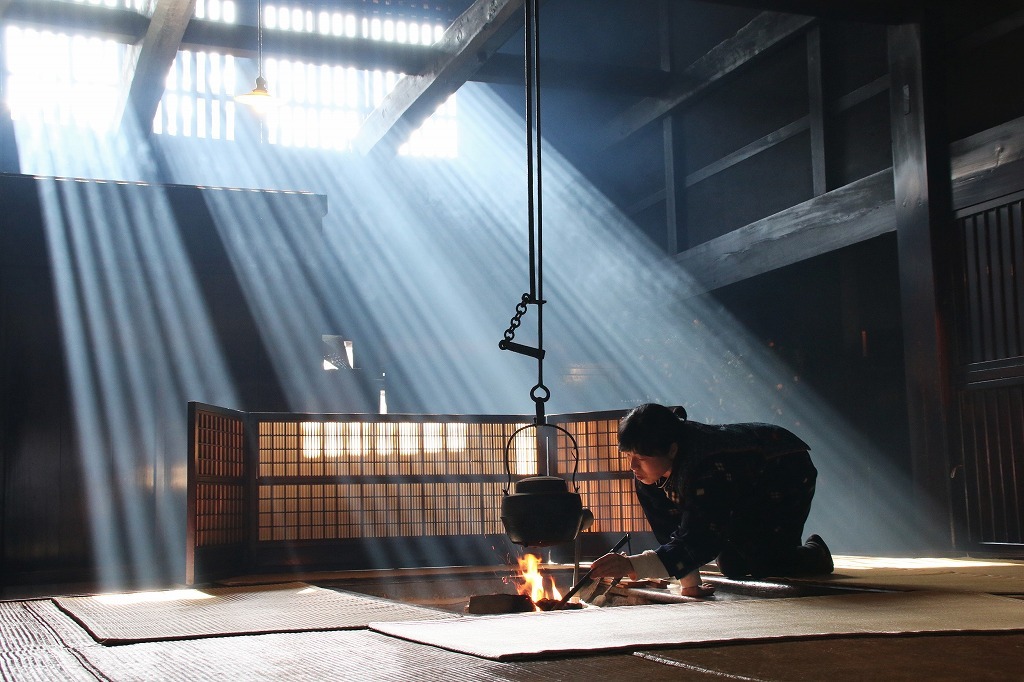
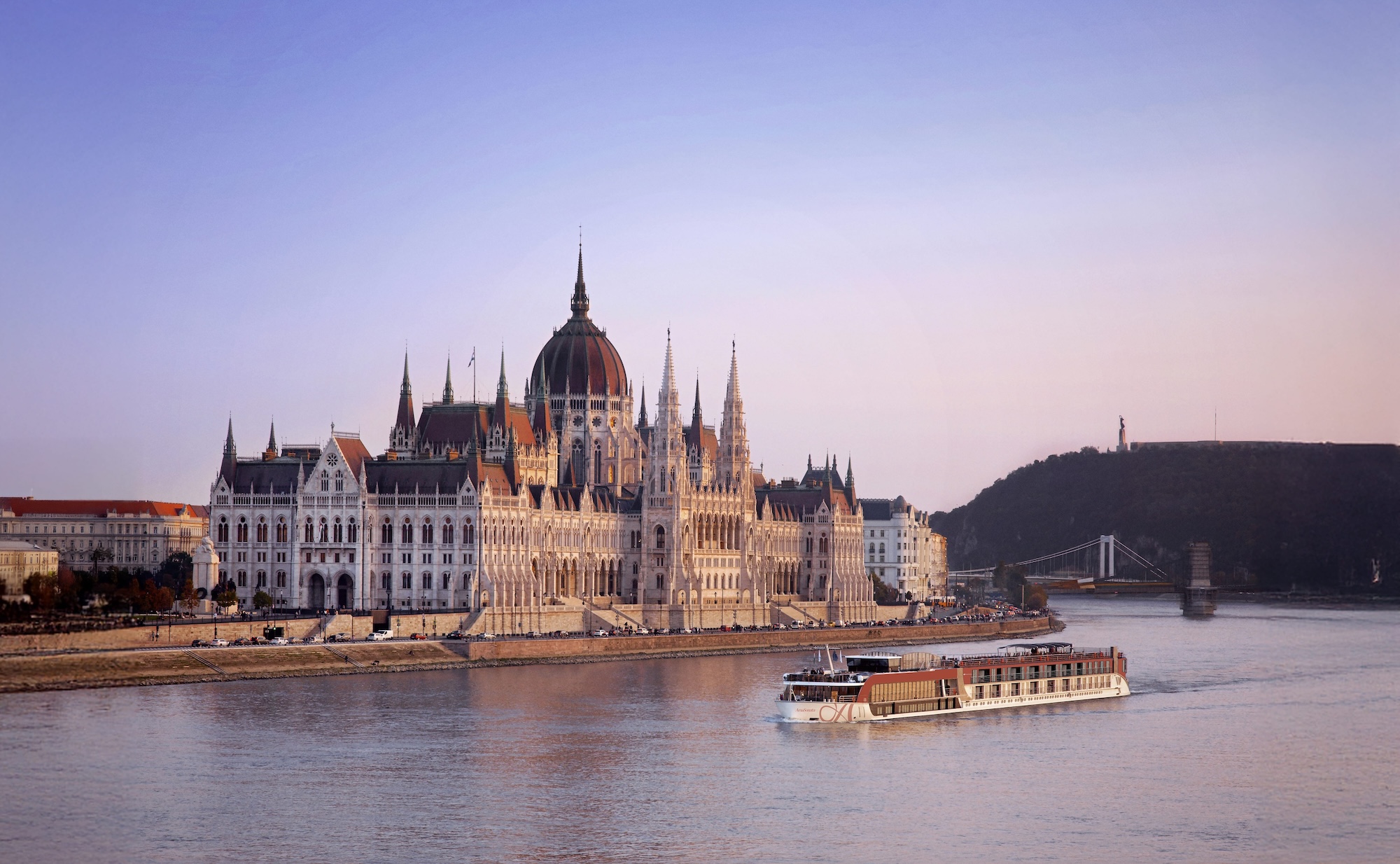
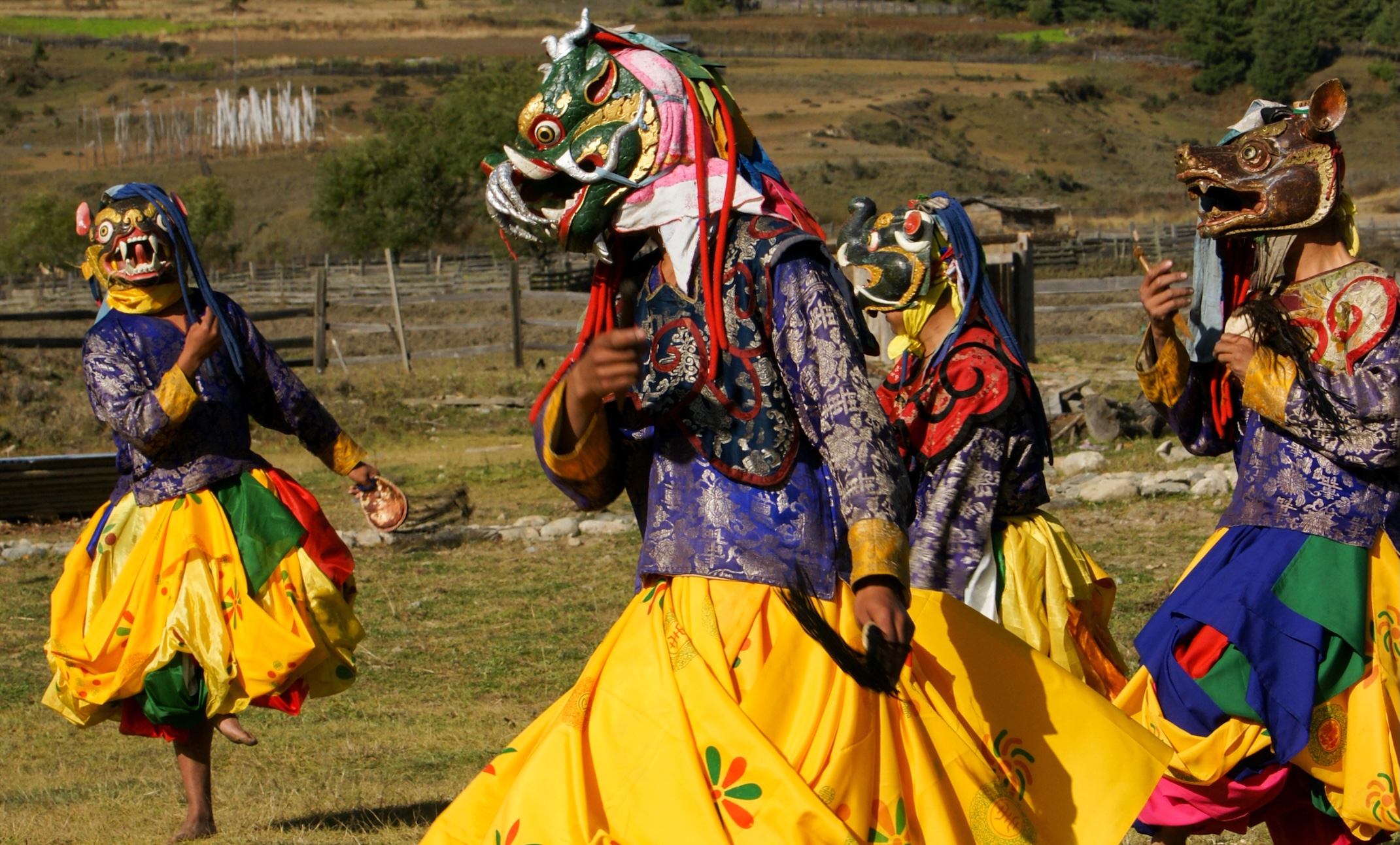
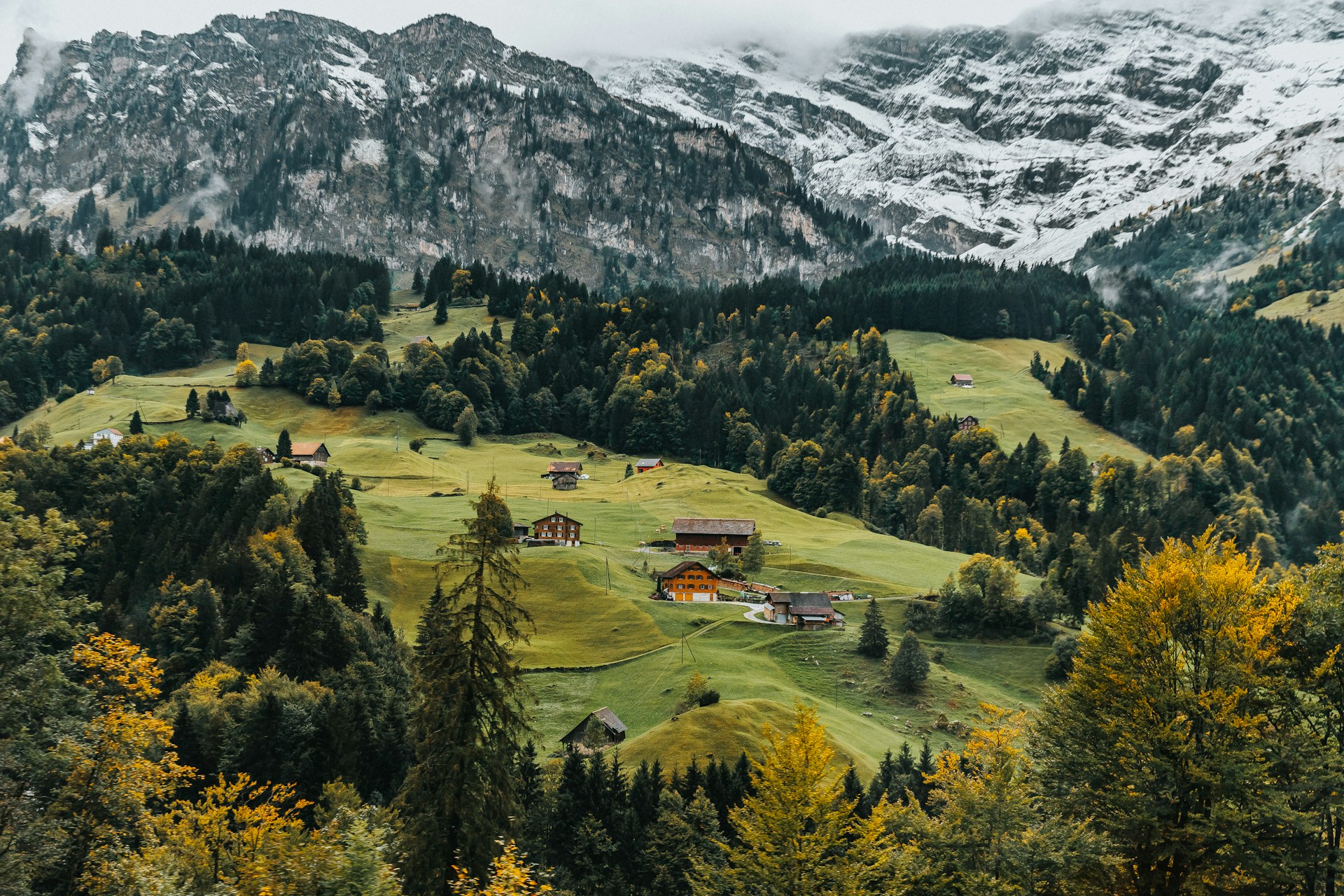
Niigata is defined by geography rather than landmarks. Snowmelt from surrounding mountains feeds rice paddies and rivers, while long winters shape architecture, brewing, and cuisine. From satoyama landscapes and Sado Island to contemporary rural art and refined sake craftsmanship, this region reveals a Japan governed by season and terrain. Often regarded as one of the country’s most respected food regions, Niigata’s identity rests on raw ingredients, technical precision, and ecological continuity. For travelers seeking depth beyond major cities, Niigata offers a coherent cultural system shaped quietly by land and time.
THE PHILOSOPHY:
Satoyama as a Working System
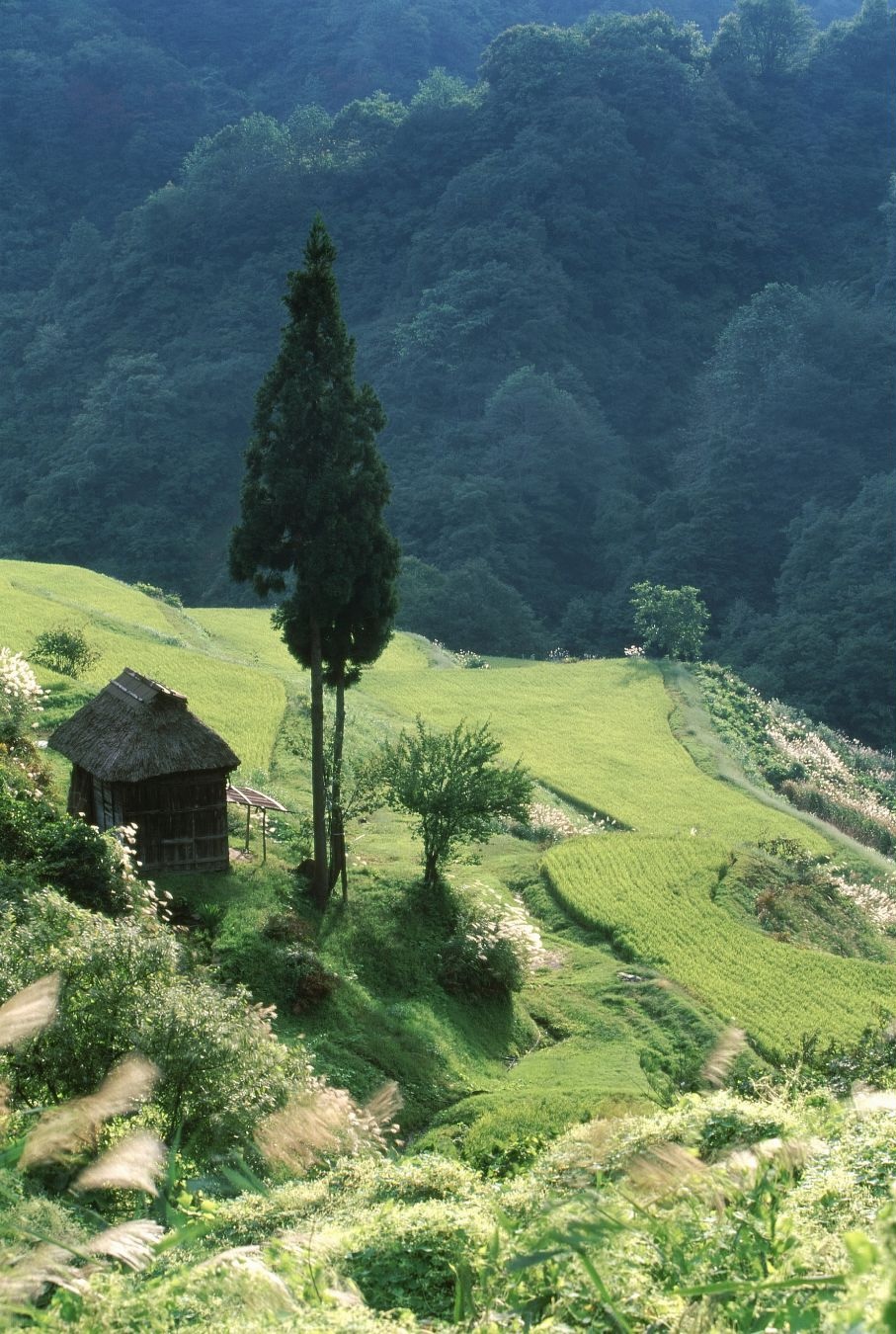
In Niigata, satoyama is not a preserved aesthetic. It operates as infrastructure. The term describes the threshold where forest, farmland, waterways, and settlement function as an interdependent ecological system rather than separate zones. Landscape here is organized for continuity, not display.
Snowmelt from surrounding mountains irrigates rice fields and replenishes rivers, sustaining agriculture across long seasonal cycles. Forests supply fuel and building material, while winter conditions shape preservation methods and architectural restraint. Heavy snowfall reinforces efficiency, demanding balance between resource use and renewal.
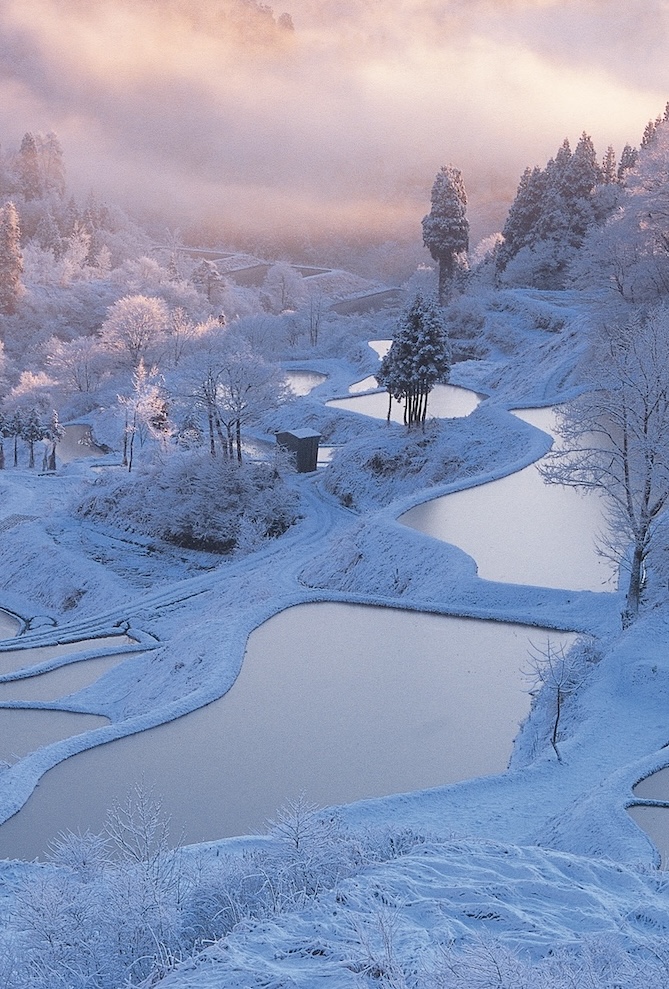
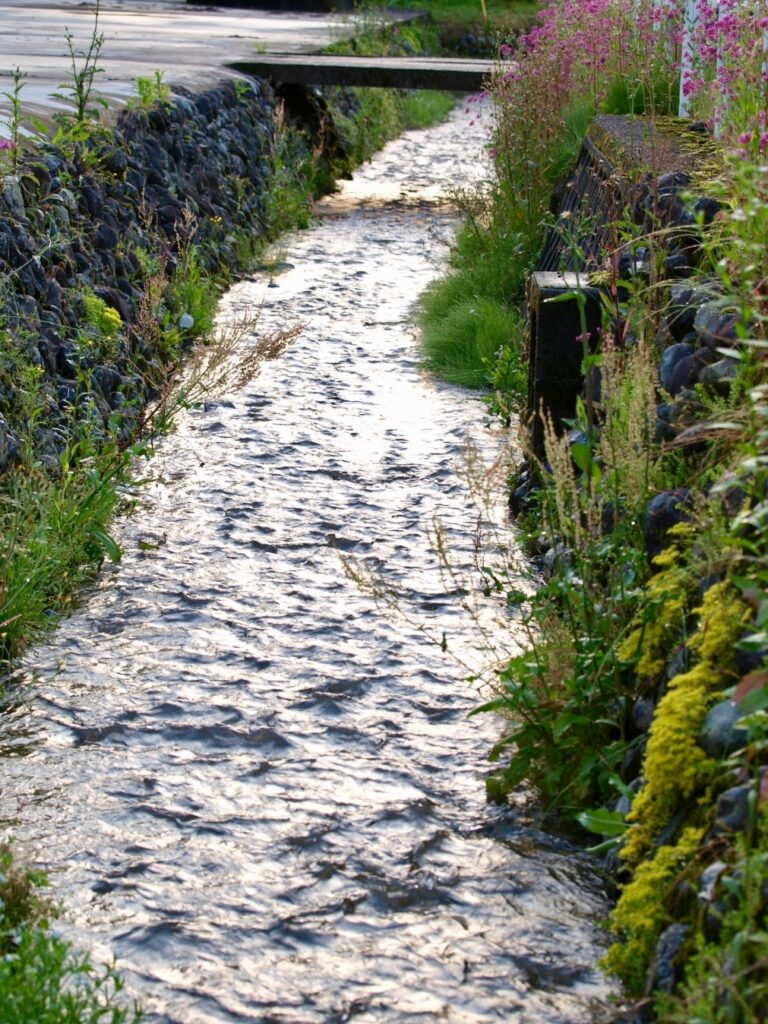
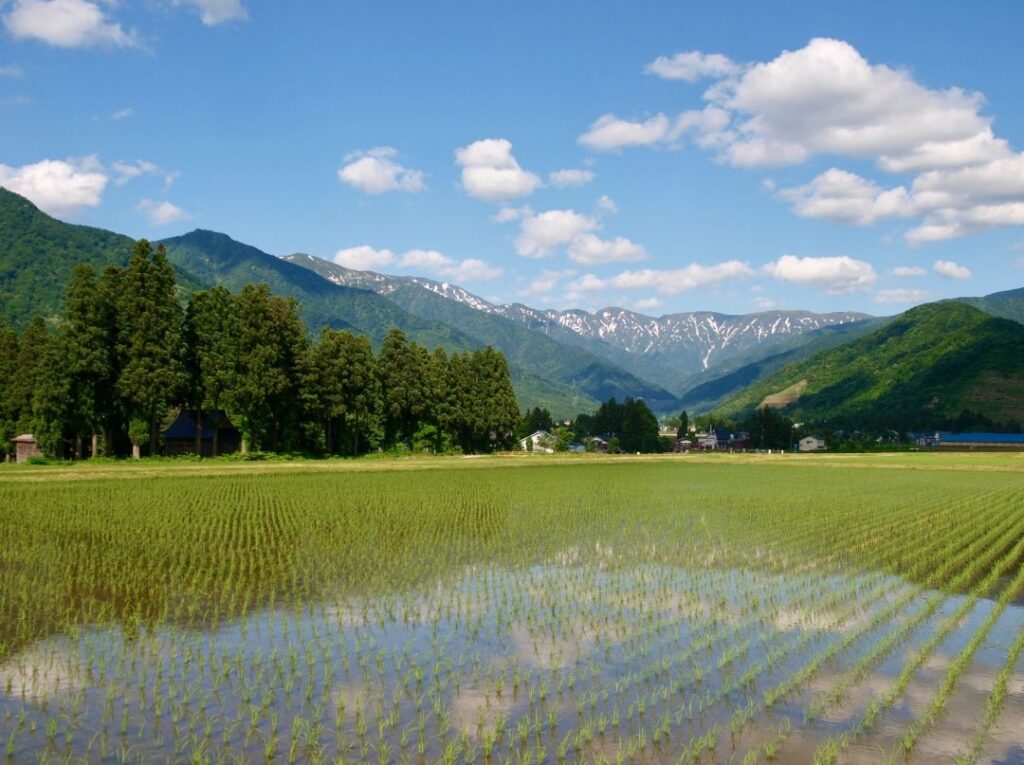
Land does not support life passively. It determines how life is structured, from crop selection to settlement design. In Niigata, sustainability is not positioned as philosophy. It is embedded in practice, reinforced annually through climate and terrain.
GOURMET & DRINK:
Precision Shaped by Snow and Water
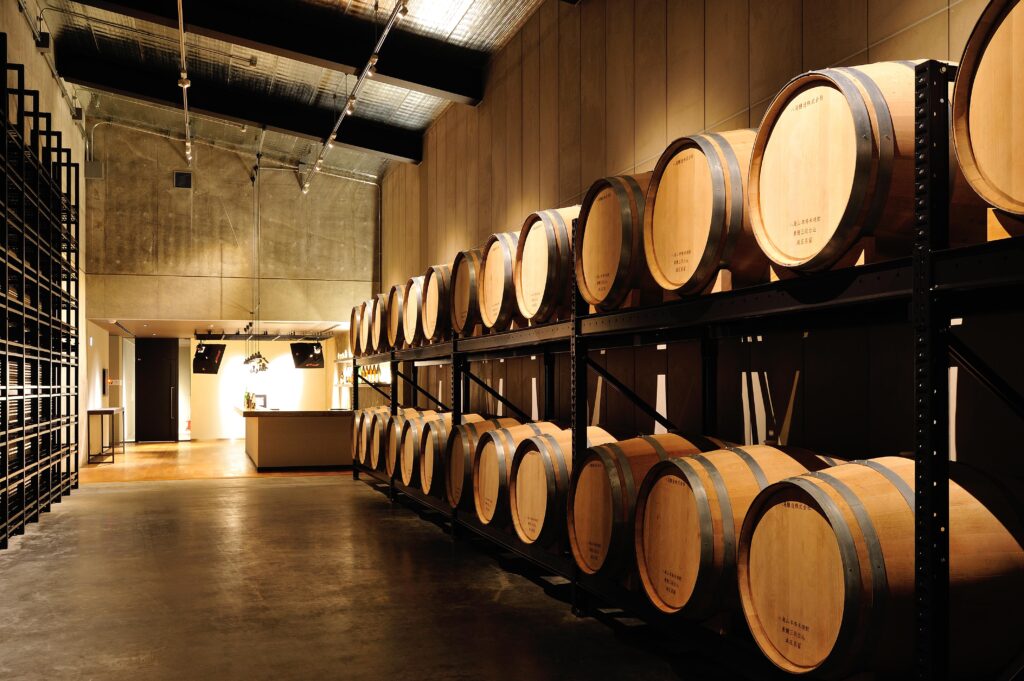
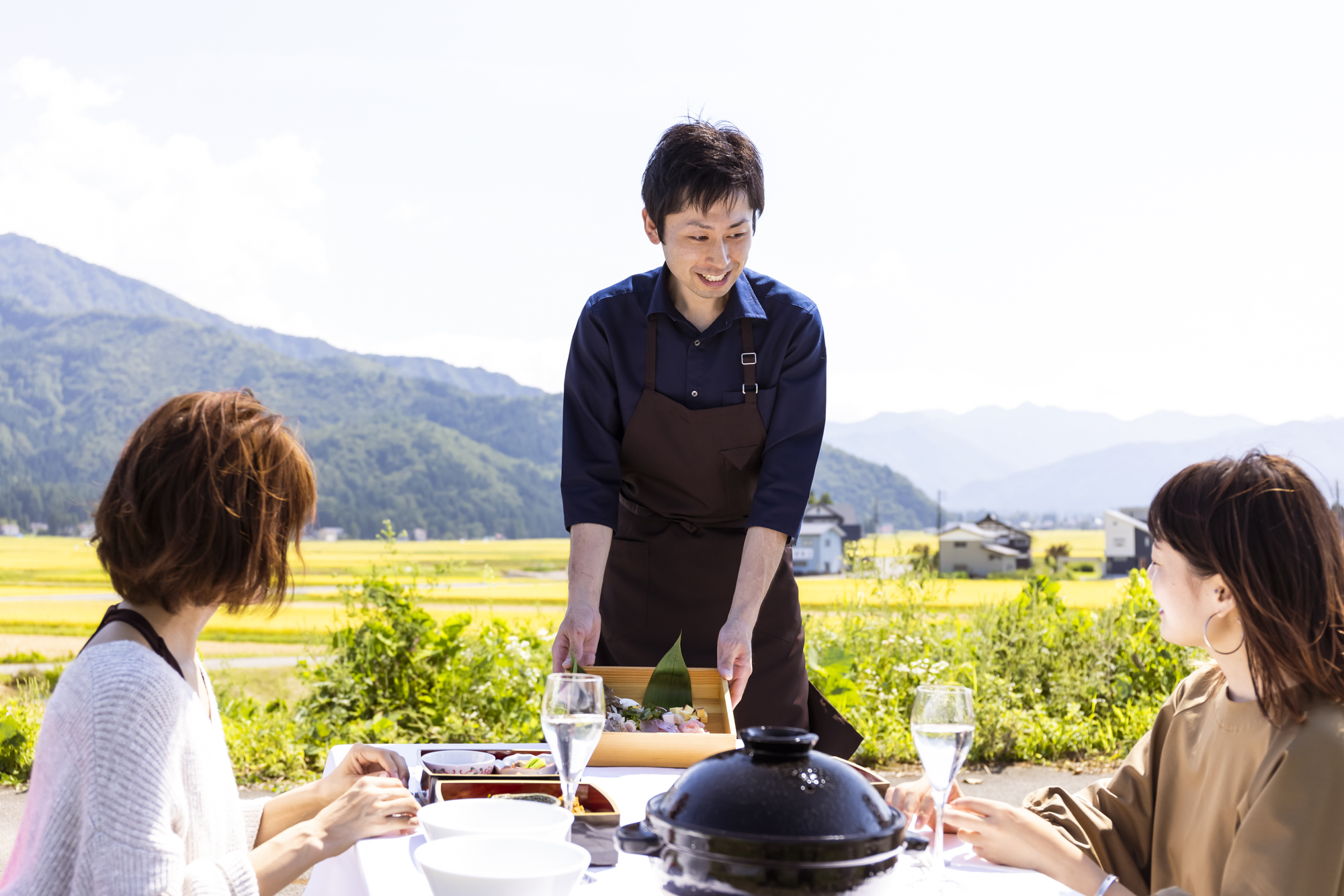
Niigata’s reputation as a gourmet region rests on rice. Mineral-rich soil and pure snowmelt water produce grains regarded among Japan’s finest, forming the technical foundation of both cuisine and sake brewing. Agricultural precision defines both flavor and identity.
Cold winters enable controlled fermentation, resulting in sake defined by clarity and balance. Breweries such as Hakkaisan Brewery maintain traditional methods supported by snow-aging techniques, while producers like Takachiyo Brewery explore modern expressions within disciplined frameworks. Innovation operates within structure rather than outside it.


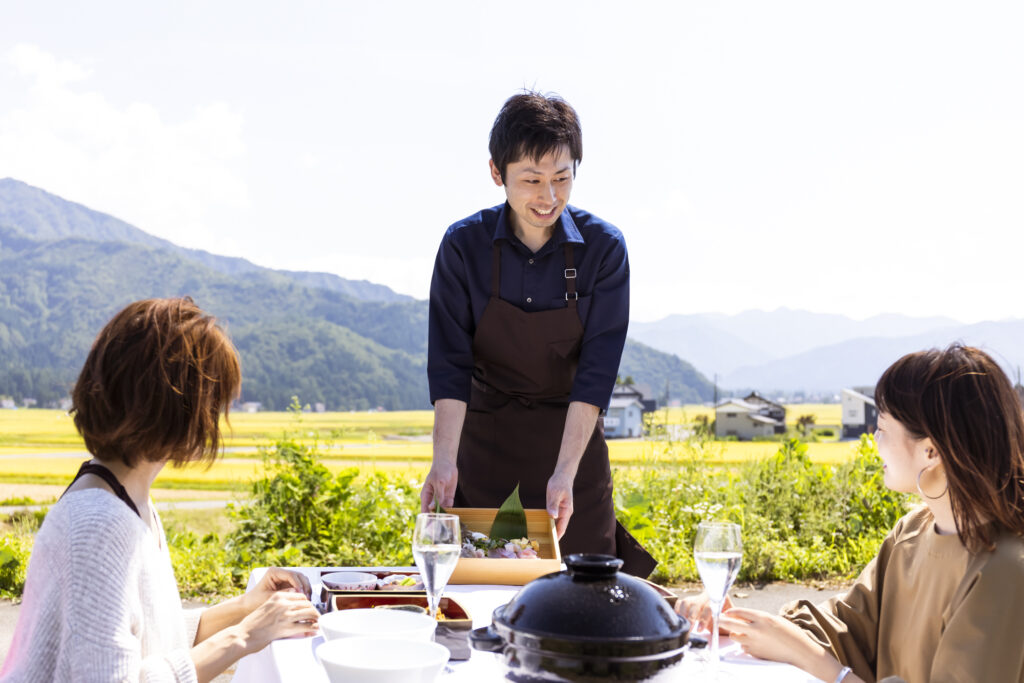
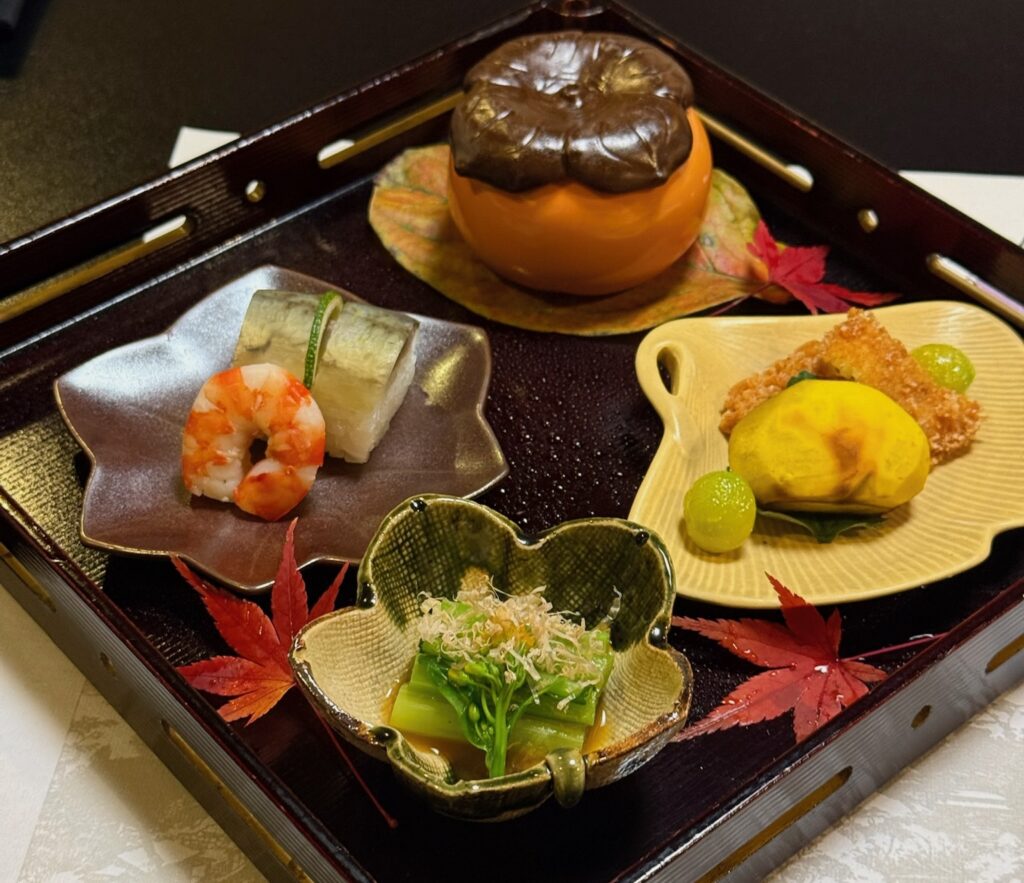
Cuisine follows availability and restraint. Mountain vegetables, river fish, and seafood from the Sea of Japan are prepared to emphasize texture and seasonality rather than embellishment. Craftsmanship is measured by consistency and timing, not theatrics.
Art, Culture & Heritage:
Rural Landscape as Cultural Canvas
Southern Niigata integrates contemporary art directly into its terrain. The Echigo-Tsumari Art Triennale transforms rice terraces, forests, and former schools into exhibition spaces that require physical movement through landscape. Viewing becomes an act of navigation rather than passive observation.
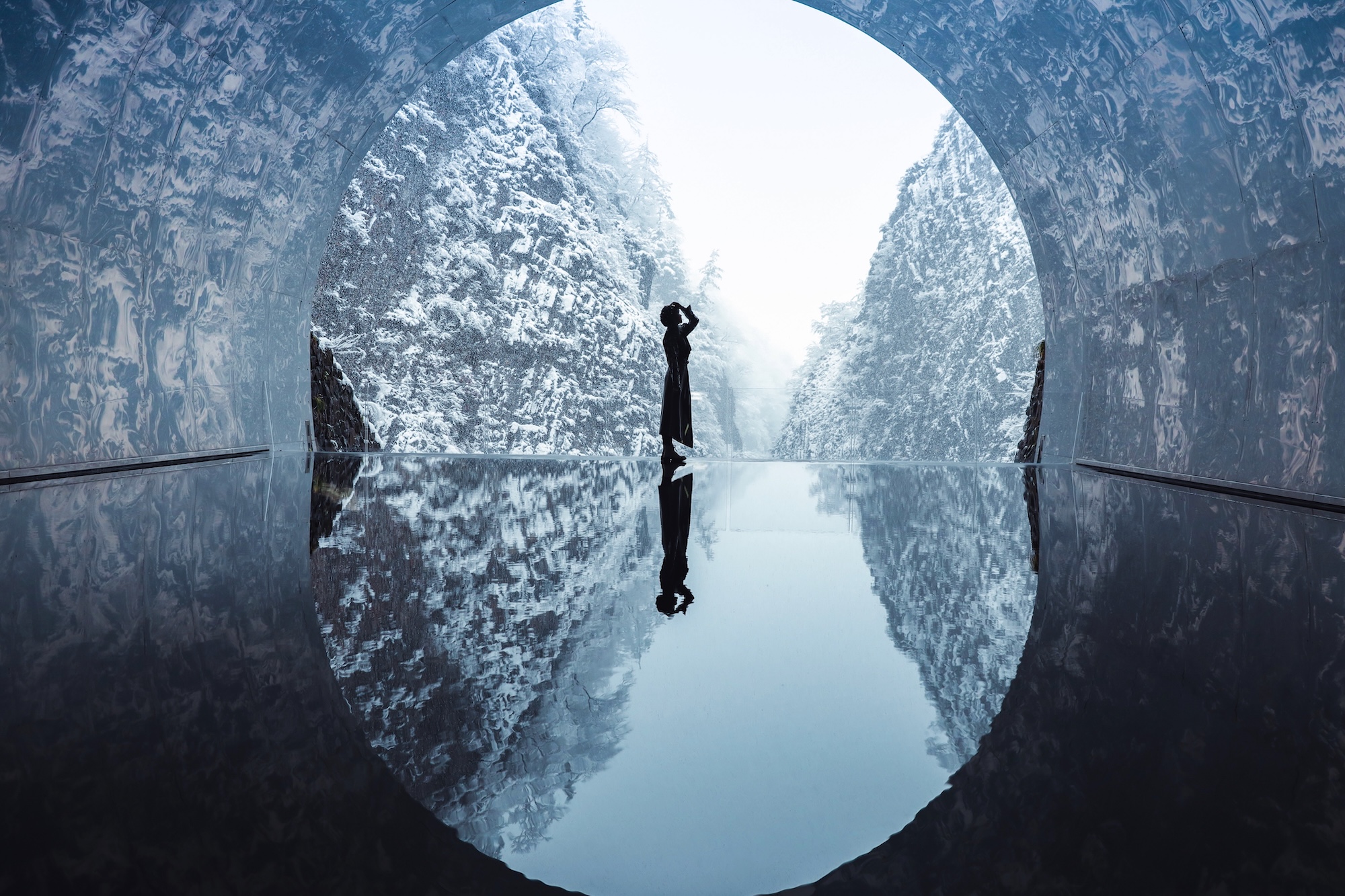
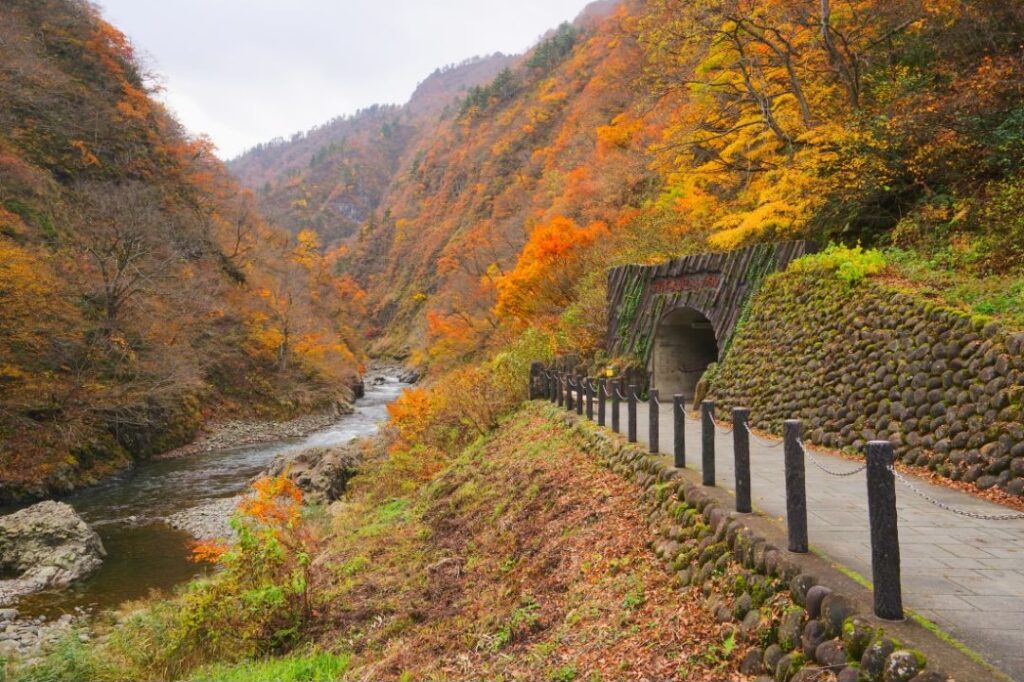
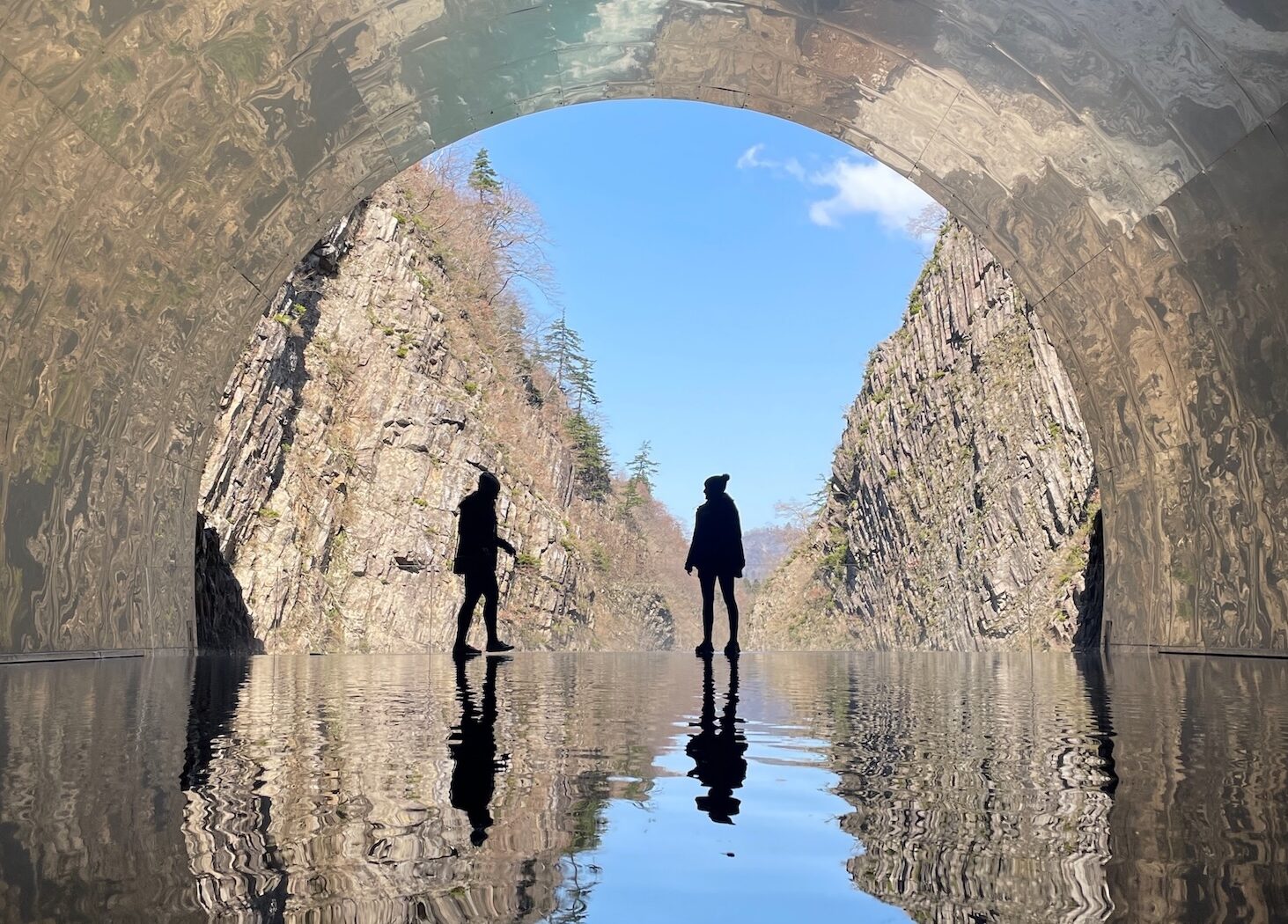
At Kiyotsu Gorge, the Tunnel of Light reframes basalt cliffs through controlled reflection and perspective, aligning architecture with geological form. In Tokamachi, House of Light by James Turrell uses natural daylight as structural material, positioning time itself as part of the installation.

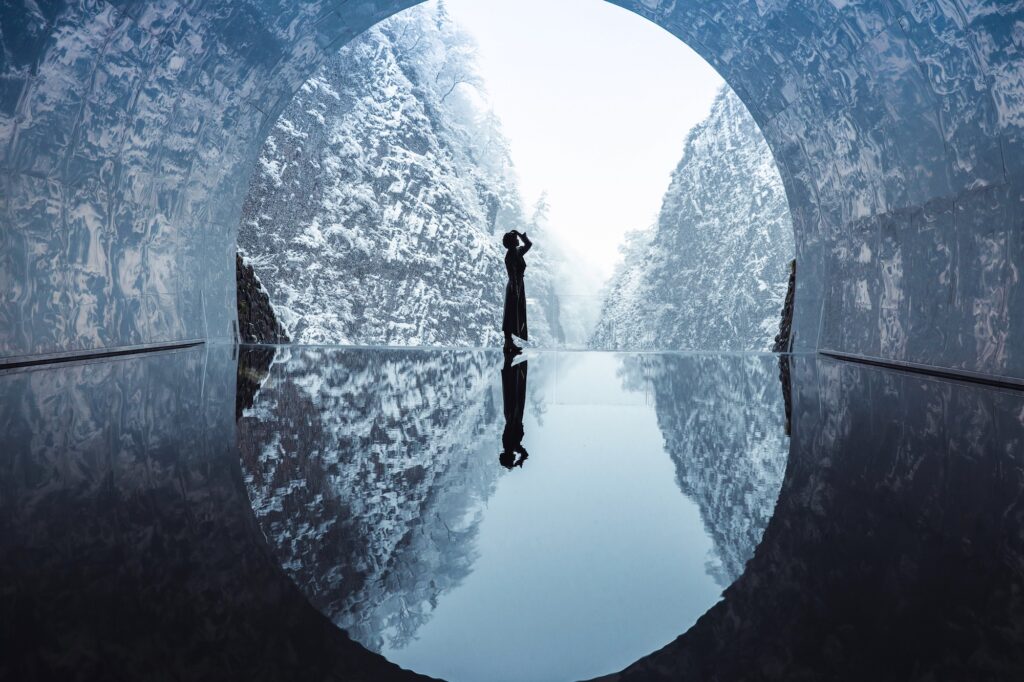
Art here does not compete with nature. It responds to scale, season, and light conditions that shift throughout the year. The landscape remains primary, while artistic intervention clarifies rather than dominates.
The Stays:
Retreats Aligned with Terrain
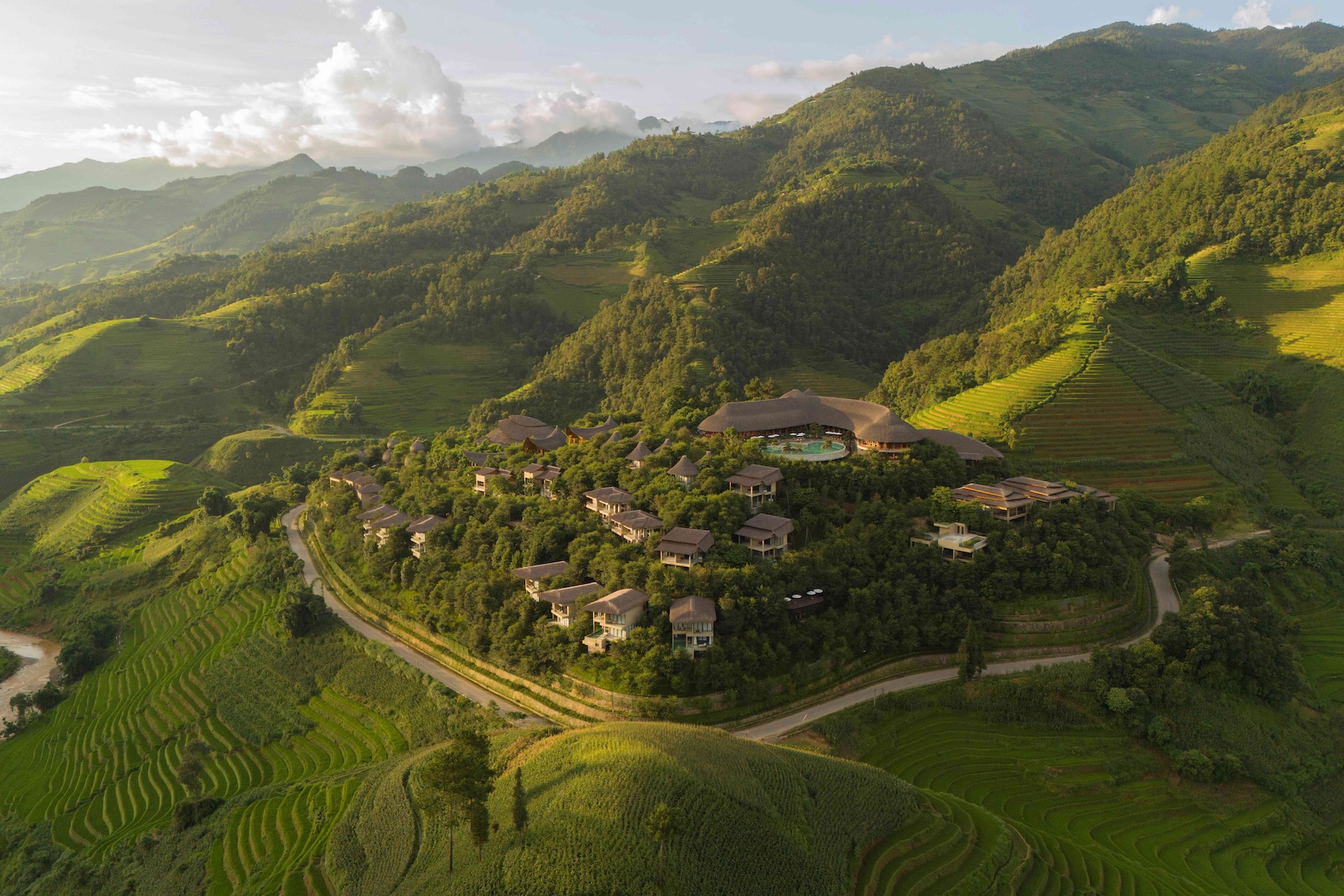
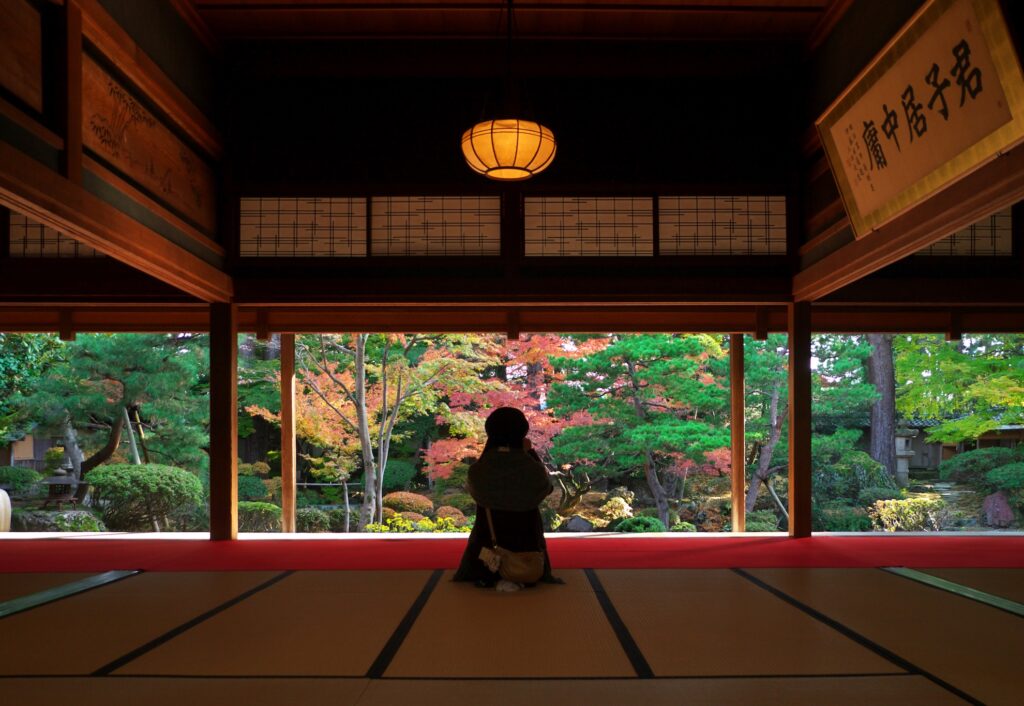
Accommodation in Niigata reflects the realities of snow country living. Contemporary retreats frame mountain or rice field views, while traditional ryokan emphasize seasonal dining grounded in regional produce. Design choices respond directly to climate rather than aesthetic trend.
Architecture favors material honesty, insulation, and structural restraint suited to long winters. Interiors prioritize thermal comfort and quiet, allowing exterior conditions to shape atmosphere without compromising ease. Spatial planning is deliberate and proportionate.
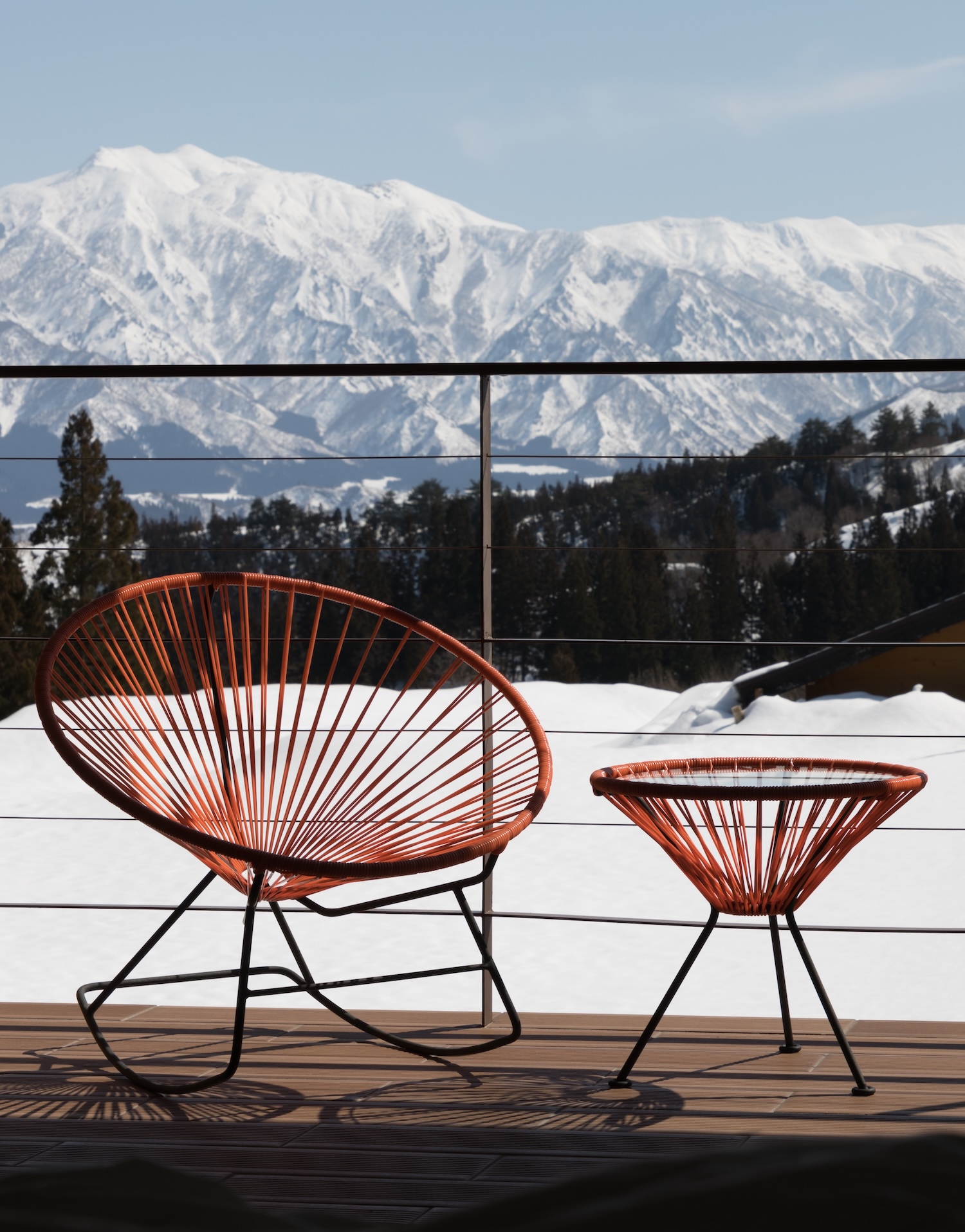
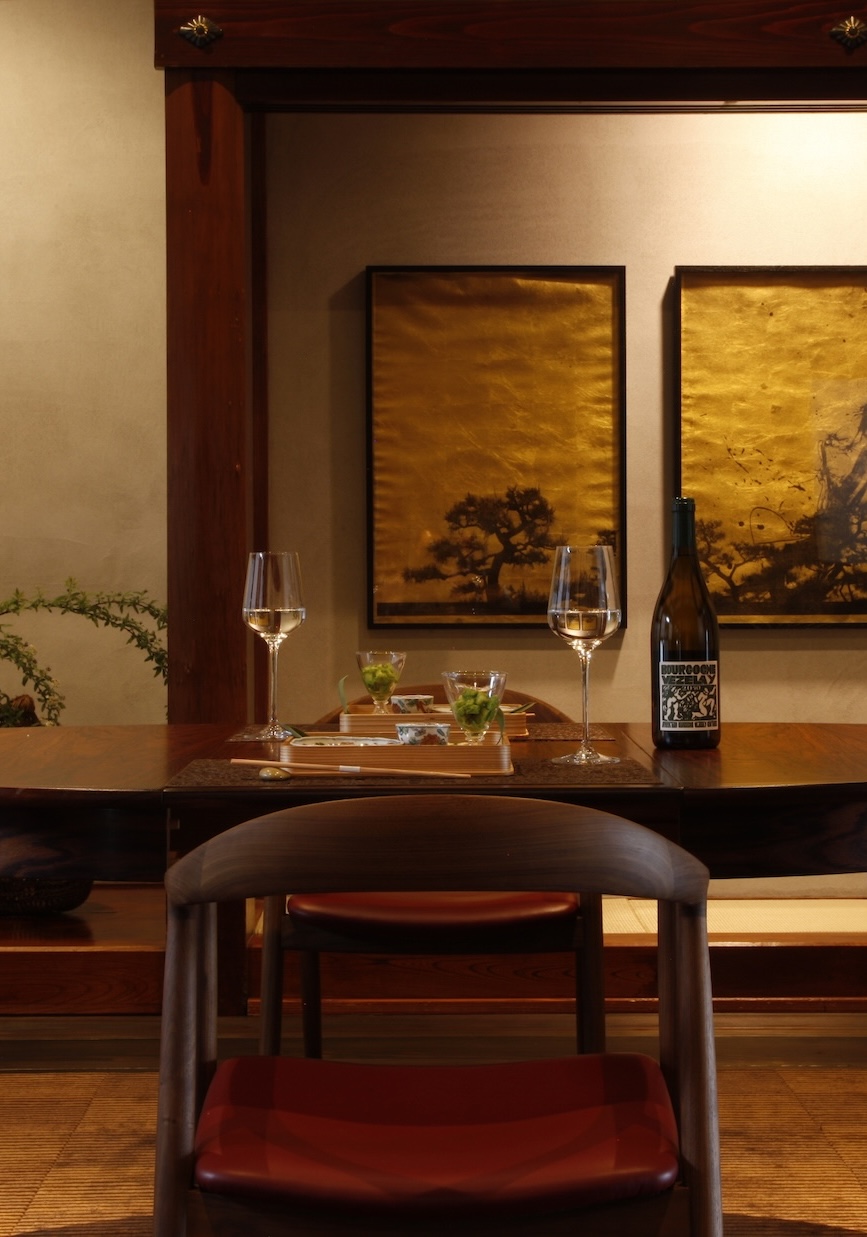
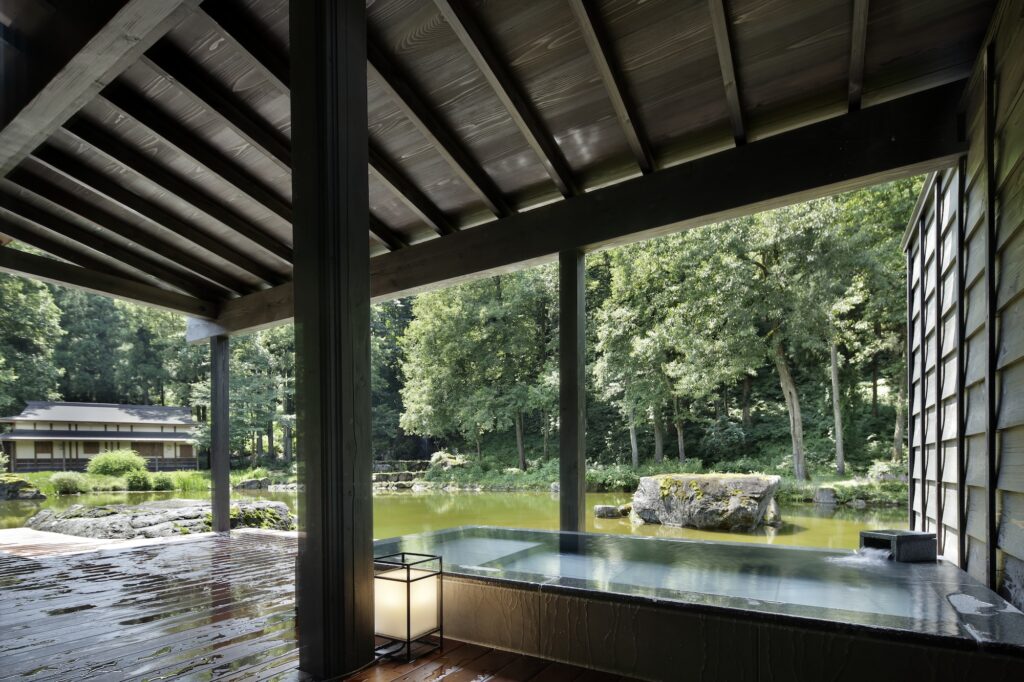
Whether positioned in forested valleys or near the coast, these stays reinforce alignment with land and season. Rest becomes interpretive rather than decorative, deepening understanding of place through pace and environment.
Destination Deep-Dive:
Sado Island and the Power of Distance
The journey to Sado Island by high-speed jetfoil, powered by Boeing-derived engines, feels closer to flight than ferry travel, gliding above the Sea of Japan with controlled lift and precision. During the Edo period, the Sado Gold Mine became one of the country’s most productive sources of gold and silver under direct control of the Tokugawa shogunate. Its output strengthened national coinage and fiscal stability, positioning the island as a strategic economic asset within Japan’s centralized governance.
Now inscribed as a UNESCO World Heritage site, the former mining complex is preserved not as spectacle but as industrial landscape. Tunnels, processing facilities, and terraced structures remain integrated within forested slopes rather than isolated as monumental ruins. The designation recognizes both technological innovation and the scale of early modern resource management.
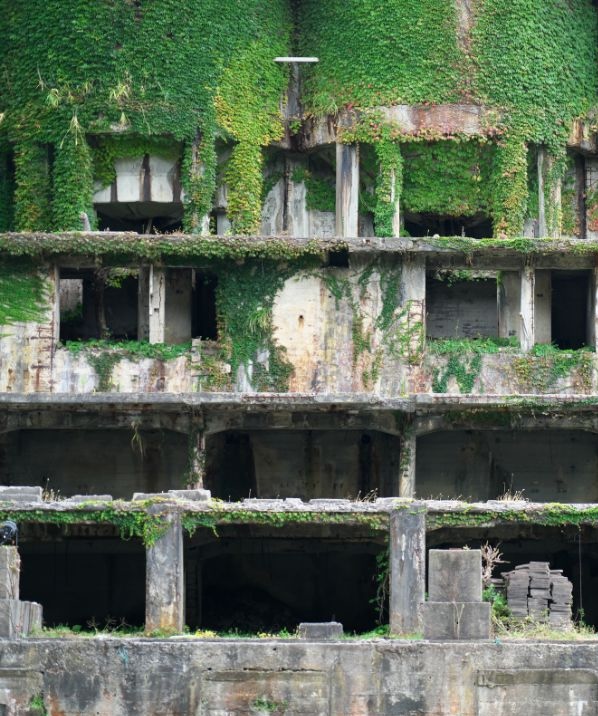
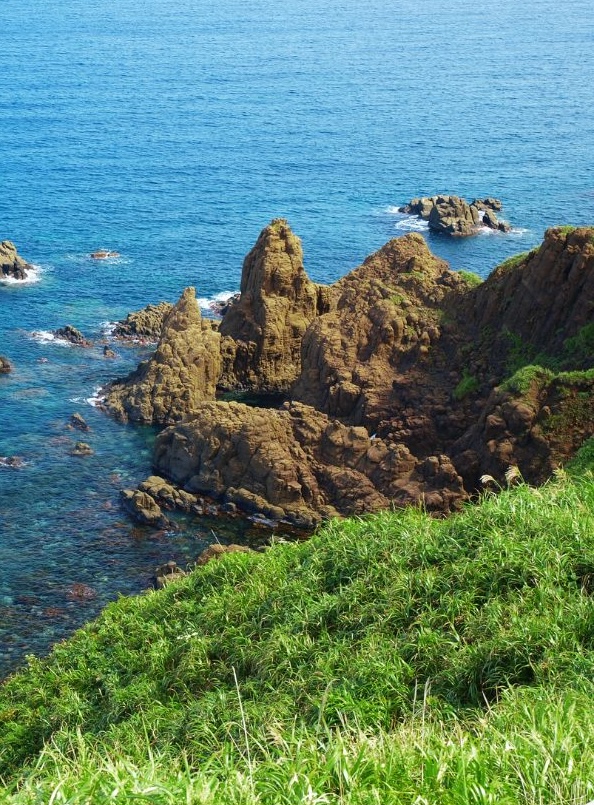
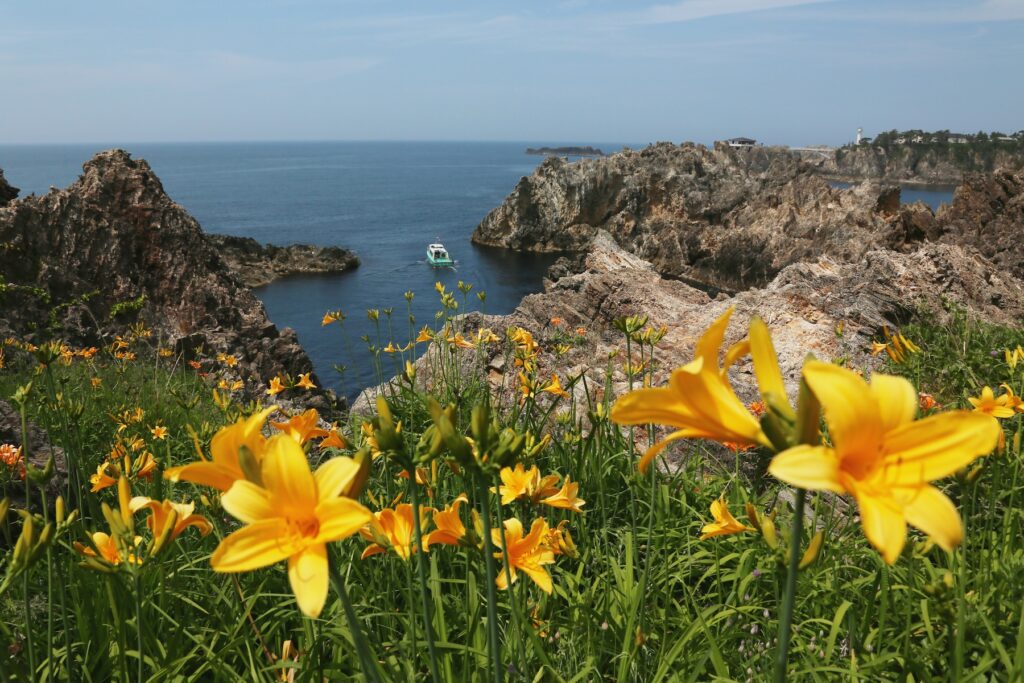
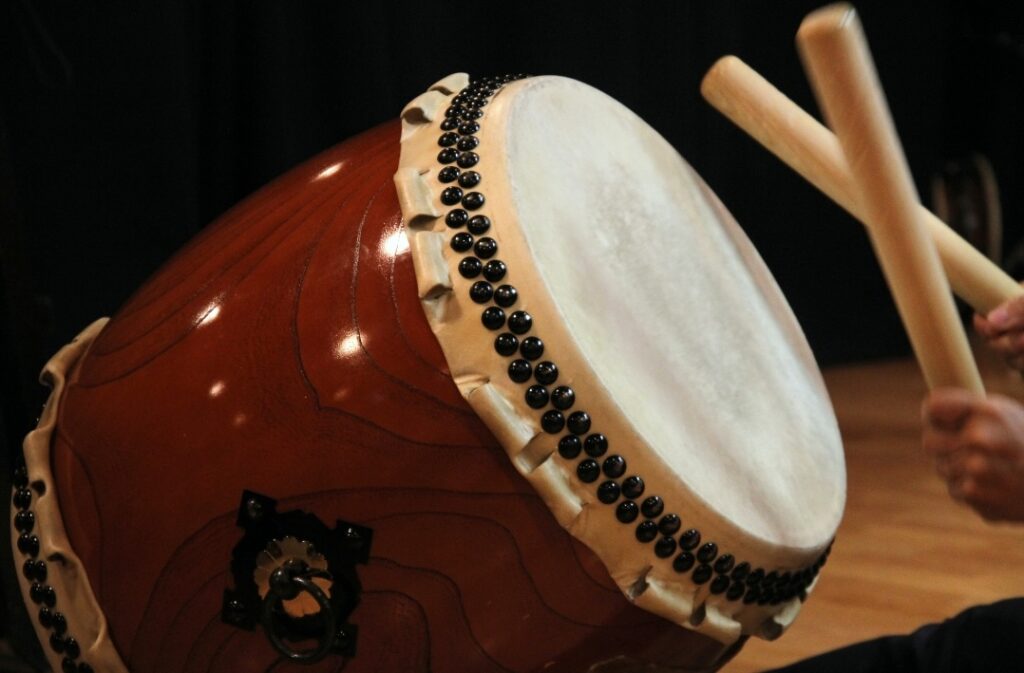
Beyond its mining legacy, Sado sustains distinctive cultural practices shaped by land and sea. Onidaiko drumming continues within agricultural calendars and local festivals, reinforcing performance as community ritual rather than staged entertainment. Coastal ridgelines, fishing ports, and open horizons structure exploration at a measured pace, allowing the island’s layered history to unfold through terrain rather than exhibition.
Best Time to Visit Niigata
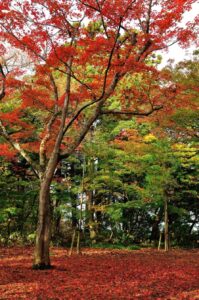
Spring and autumn provide the most balanced conditions for exploring Niigata’s rural art sites, coastline, and satoyama landscapes. Winter defines the region’s character, transforming terrain under heavy snowfall and supporting sake brewing at its technical peak, while summer reveals lush rice fields and open coastal access. Season alters the visual field, but the agricultural and cultural rhythm remains constant.
Getting There
Niigata is accessible from Tokyo by Joetsu Shinkansen in approximately two hours, arriving at Niigata Station in the city center. From there, regional rail lines and private transfers connect inland art districts and coastal departure points.
Travel gradually shifts from metropolitan density to agricultural plains and mountain terrain, reinforcing the region’s geographical identity. The journey itself establishes the transition from urban tempo to seasonal rhythm.
Why Niigata ?
Niigata rewards attention rather than speed. Through seasonal cycles, agricultural discipline, and art embedded in landscape, the region reveals a coherent cultural system shaped by land and climate. For travelers seeking depth beyond major urban centers, Niigata offers precision, continuity, and a measured pace rooted in terrain.
Journeys
Explore crafted itineraries that spark imagination — where landscapes, flavors, and stories weave together into extraordinary experiences worth remembering.
Explore More

WHY CHOOSE US
Beyond The Itinerary
We design journeys thoughtfully — shaped by firsthand experience and an instinct for what truly matters to you.
Get to Know Us
Stress-Free
Trip planning doesn’t need to be overwhelming. We take care of the details, leaving you free to enjoy the anticipation.

Uniquely Yours
No templates. Every journey is built from scratch, designed around the moments that matter most to you.

We Live It First
We explore these places ourselves and work closely with trusted local partners. Our recommendations come from experience, not brochures.
Ready to plan your priceless moments? Connect with our Travel Designers.
Let's ChatUnveil the Stories
Discover destinations and partners we love — curated tales to inspire journeys filled with culture, connection, and quiet wonder.